Showing posts with label Sports. Show all posts

Monday, 6 August 2012

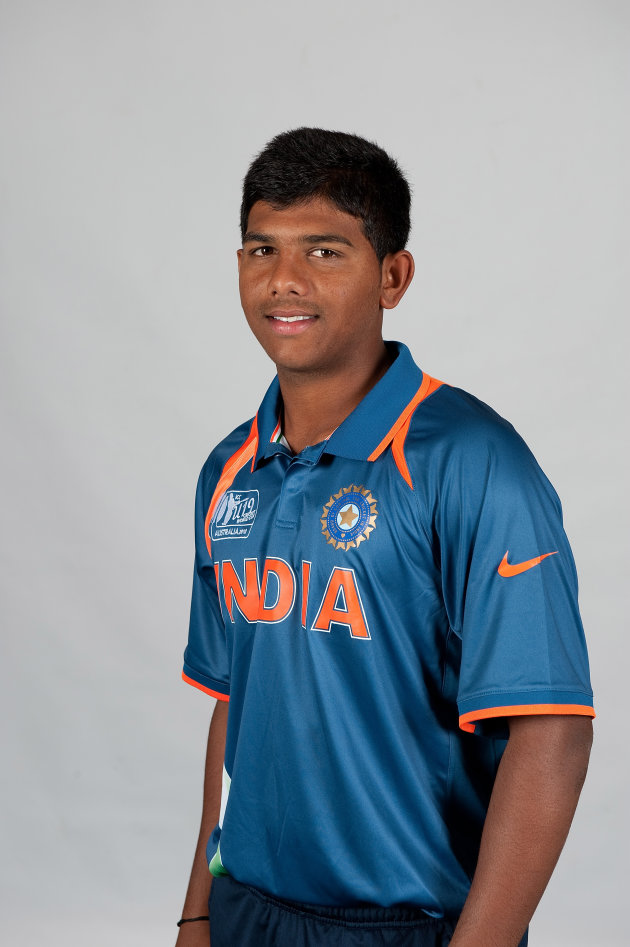
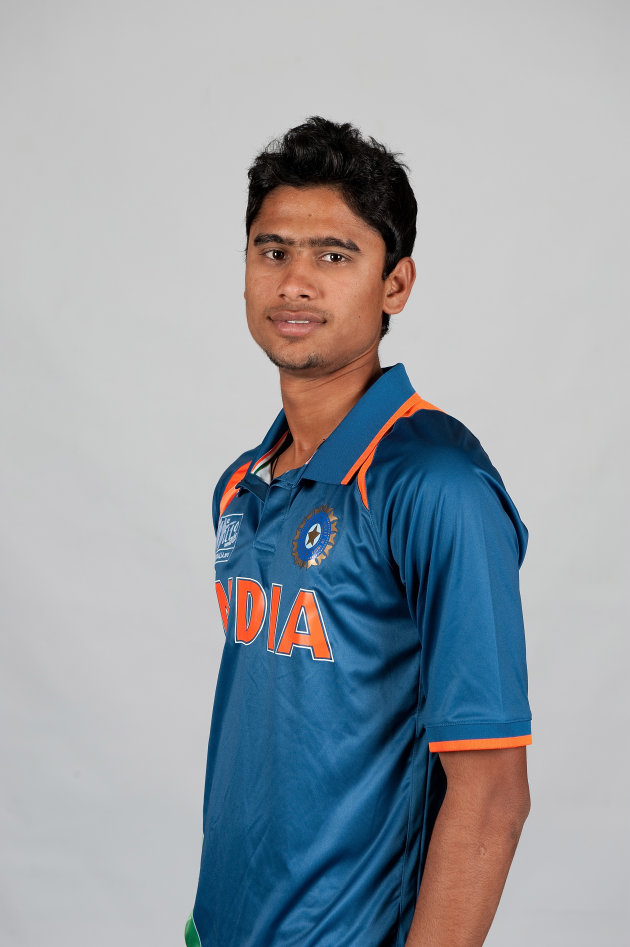
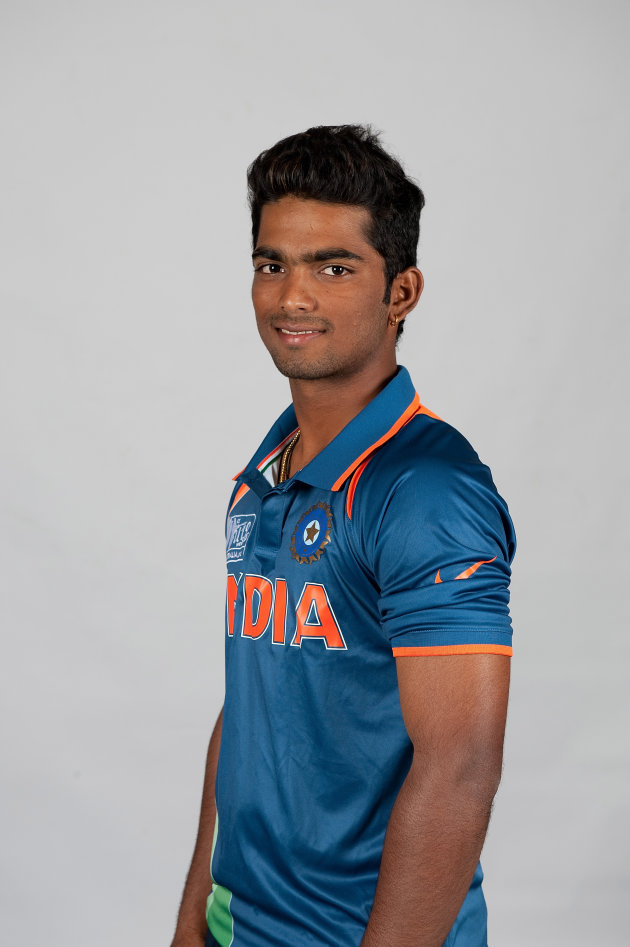
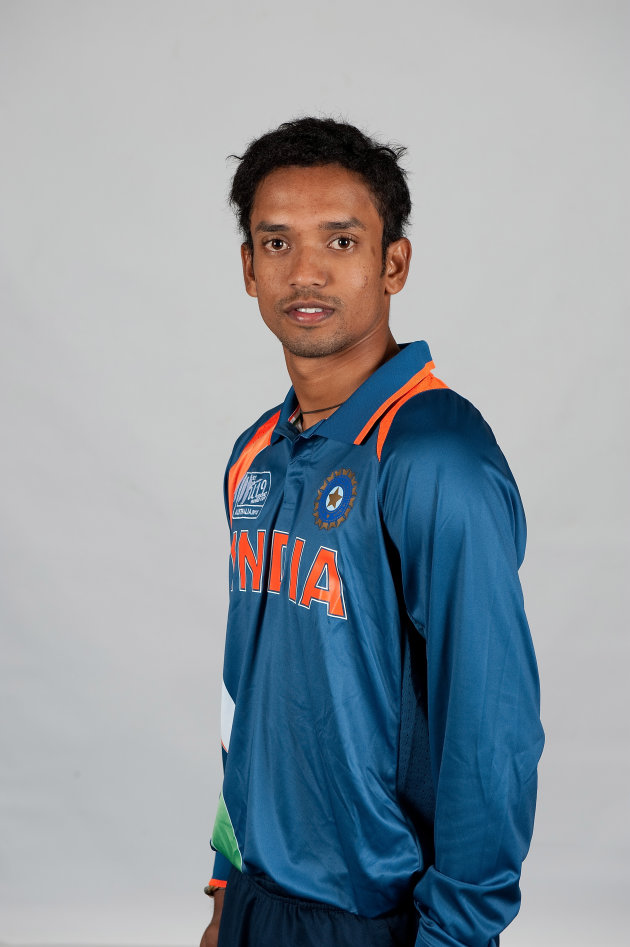
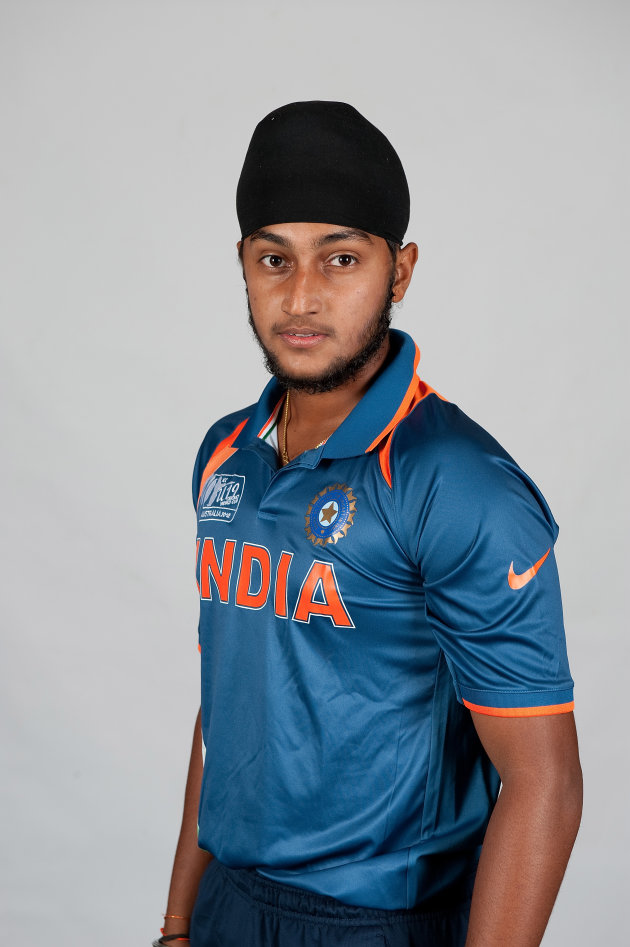
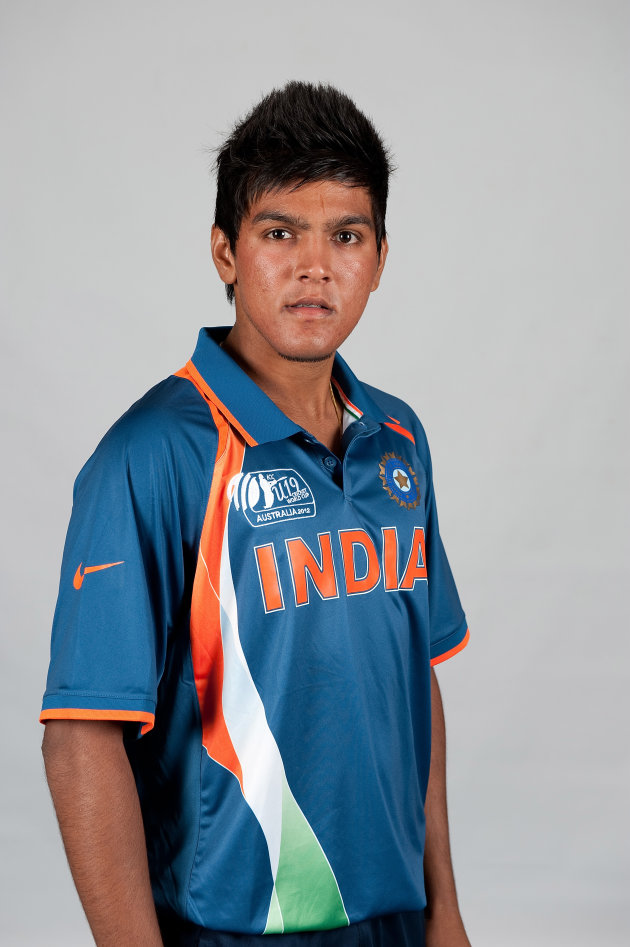
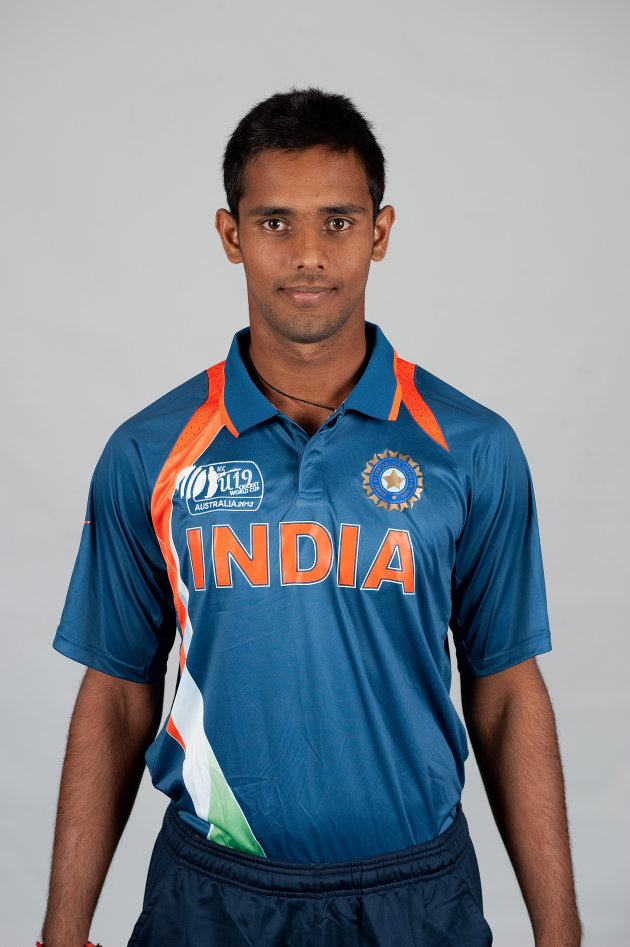
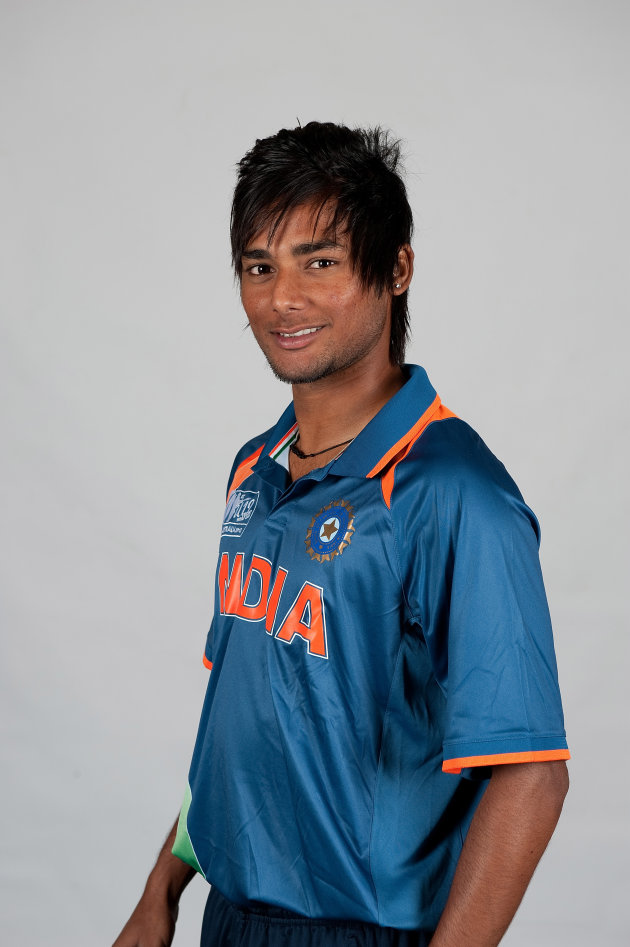
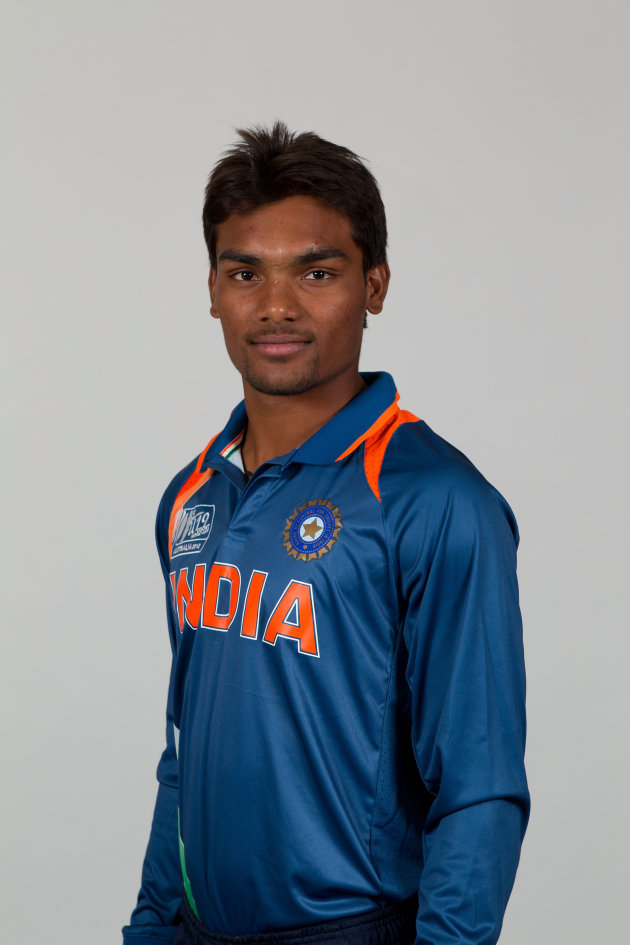
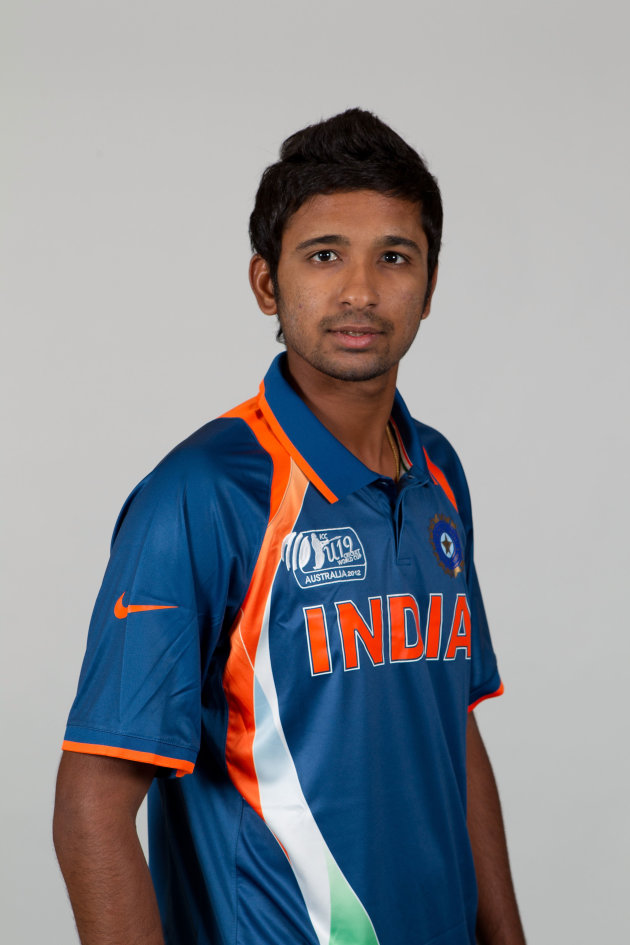
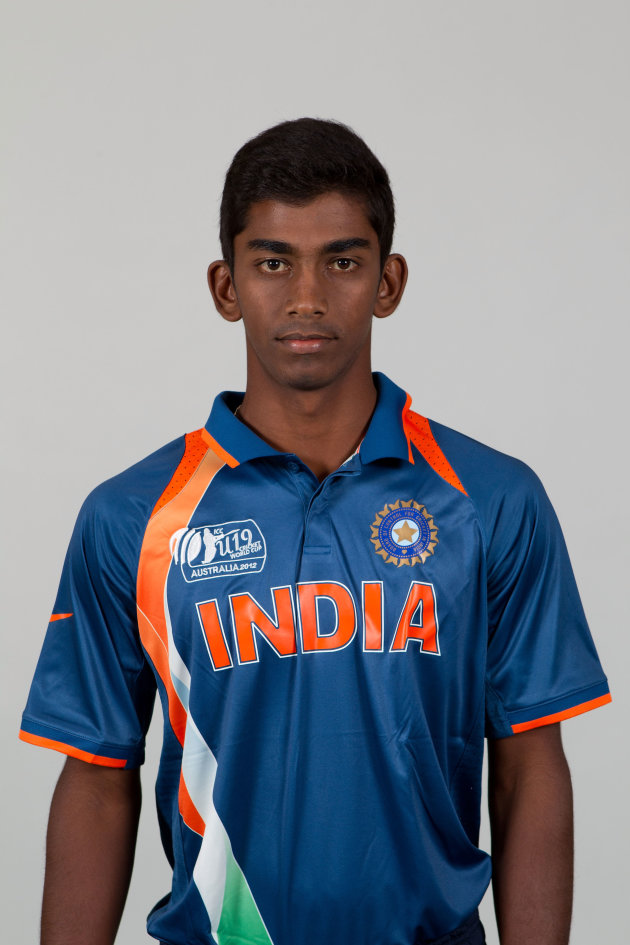
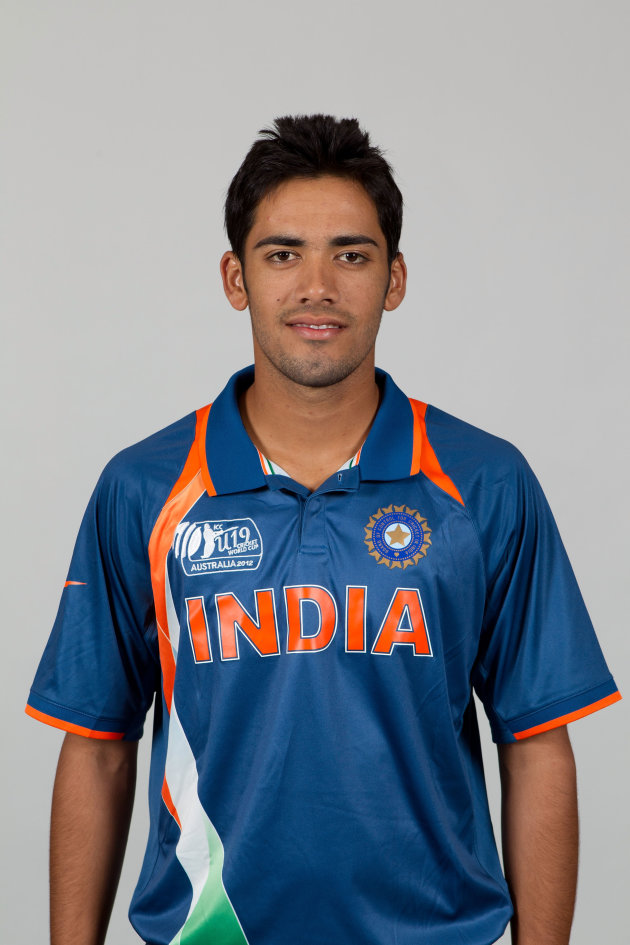
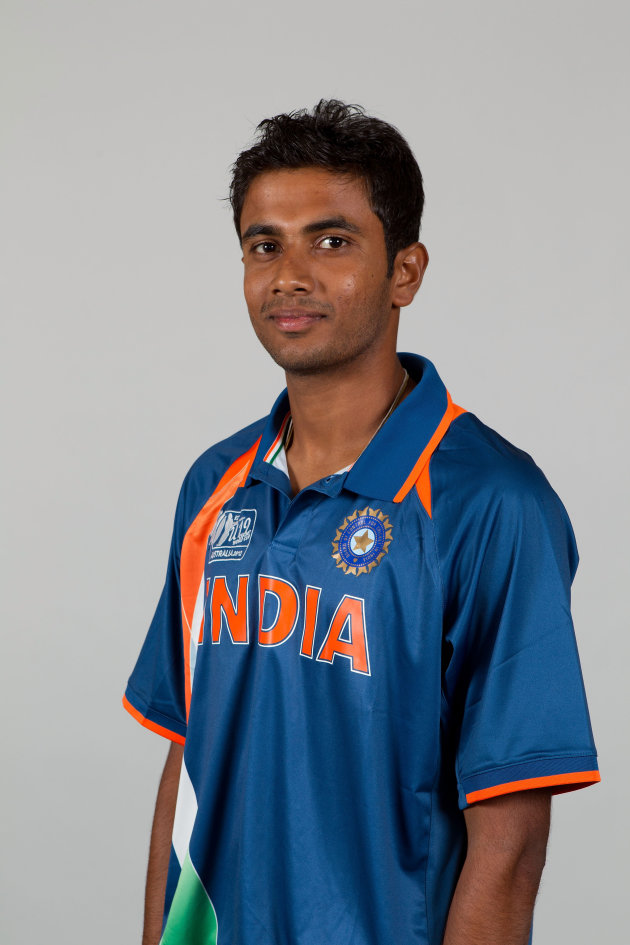
Meet India at the U-19 World Cup

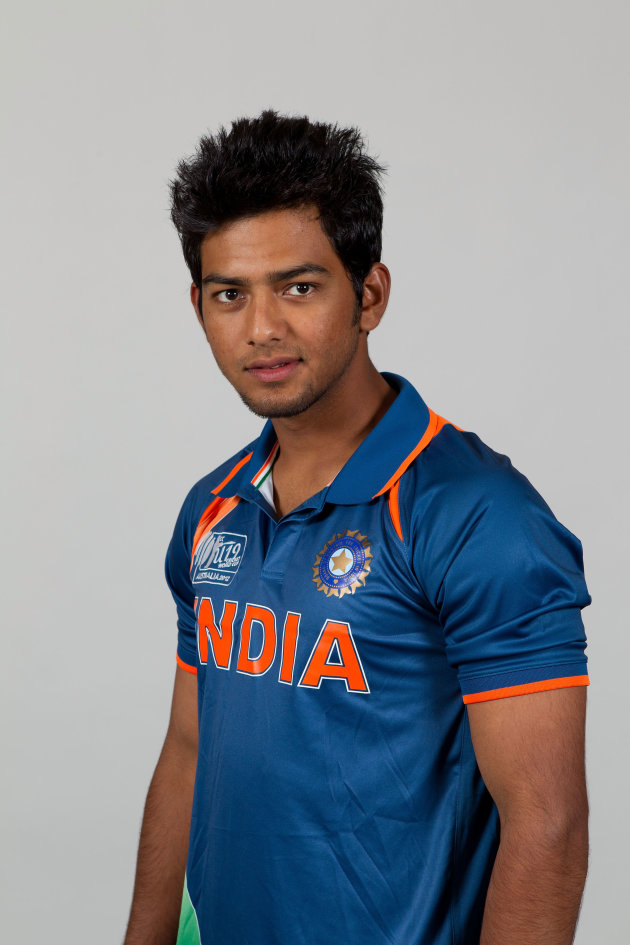
Unmukt Chand — Captain, right-handed batsman and off-break bowler. He's the mainstay of the India U-19 batting line-up, having scored important hundreds for them in Australia and the Youth Asia Cup this year. Born March 26, 1993, Delhi. He has played 11 Ranji Trophy matches for Delhi. He had played two IPL games this year for Delhi Daredevils.


Akshdeep Nath — Right-hand batsman and medium pace bowler. He is the vice-captain of the team. Born May 10, 1993, Lucknow, Uttar Pradesh. He has played three one-dayers for Uttar Pradesh.


 Akhil Herwadkar — Left-hand batsman and right-arm off-break bowler. Born October 31, 1994 in Sangli, Maharashtra.


Ravikant Singh — Right-hand batsman and medium pacer. Born March 18, 1994, Kolkata, West Bengal.


 Vijay Zol — Left-hand batsman and right-arm off-break bowler. Born November 23, 1994, Jalna, Maharashtra. He has represented Maharashtra and Royal Challengers Bangalore.


Sandipan Das — Right-hand batsman and medium pacer. Born November 29, 1992, Kolkata, West Bengal. Has played for Cricket Association of Bengal XI.


Harmeet Singh — Left-arm batsman and slow orthodox bowler. Born September 7, 1992, Mumbai. He has played three Ranji Trophy matches for Mumbai.


 Smit Patel — Right-hand batsman and wicketkeeper. Born May 16, 1993, Ahmedabad, Gujarat. Has played one one-dayer for his home state.


 Hanuman Vihari — Right-hand batsman and off-break bowler. Born October 13, 1993, Kakinada, Andhra Pradesh. He has represented Hyderabad in the Ranji Trophy and Vijay Hazare Trophy.


Kamal Passi — Right-hand batsman and medium pacer. Born November 30, 1992, Amritsar, Punjab. He has played for India U-19s in Australia.


Sandeep Sharma — Right-hand batsman and medium pacer. Born May 18, 1993, Patiala, Punjab. He has played three Ranji games for his home state.


Vikas Mishra — Right-hand batsman and slow-left arm bowler. Born December 27, 1992, Delhi. He has played 15 Ranji Trophy matches for Delhi.


Baba Aparajith — Right-hand batsman and off-break bowler. Born July 8, 1994, Chennai, Tamil Nadu. He has played for his home state four times.


Prashant Chopra — Right-hand batsman and leg-break bowler. Born October 7, 1992, Solan, Himachal Pradesh. He has played six First Class games for HP.


Rush Kalaria — Right-hand batsman and left-arm medium pacer. Born January 16, 1993, Rajkot, Gujarat. He has played one one-dayer for Gujarat.


Monday, 23 July 2012

Tough road ahead for Indian hockey team: Pargat Singh

 The Indian hockey team is riding on the wings of hope once again. Back in the Olympic line-up after missing out of the Beijing Games in 2008, India are again where they ought to be and the entire country's best wishes are with our players as they look ahead to the stiff test that the Olympic Games will provide.India's performance has shown signs of promise, but a realistic assessment is essential for the boys to look at the challenge ahead. India's hopes of producing a fine show will depend upon how well the defenders cope with rival strikers and penalty corner specialists.

The Indian strikers always fancy themselves in creating chances upfront, but it is the defenders whose performance will be the key to what the team manages to achieve in the end. As always, it will be sustainability of the Indian defence coming into focus from the moment the team enters the hockey arena at London's Olympic Park. Let us not get overawed by slogans or boastful claims that may tend to convey that the Indian team is in the hunt for a gold medal. Where we stand at the moment, every small success is welcome.

There is a tough road ahead for the Indian team as it There is a tough road ahead for the Indian team as it strives to regain some of the lost prestige of Indian hockey. Success never comes easily. Having played in three Olympic Games, I consider myself competent to talk about the challenge ahead. When the Indian team's defence comes under pressure, its sustainability becomes critical to the end result. The situation is going to be no different.

The pressure will be acute and it will be a test of the team's mettle. Looking back at the draw, the pattern indicates that India tends to get a stiff opening match at the Olympics. The situation will be no different this time as one of the strongest European teams, The Netherlands will open the Olympic campaign against India on July 30. The Netherlands may not be the same force they once were, but the Dutch are always a formidable opposition. One must also not forget that India's international ranking is not something we can boast of in the hockey circles.

The Netherlands have, in recent years, not been able to reproduce their best, which was evident in the 1996 and 2000 Olympics and yet their strikers tend to produce dazzling stickwork. The opening outings tend to provide an indication of where teams are headed. During my Olympic days, it was the opening match against Germany that delivered a big blow to us in 1992, while four years later we missed qualifying for the semifinals essentially due to the shock defeat we suffered in the opening outing against Argentina. After that, it was a tough climb and we just fell short of securing entry into the semifinal. A spot in the semifinal has continued to remain elusive for India.

India has not just failed to win a medal since clinching India has not just failed to win a medal since clinching men's hockey gold at the 1980 Olympic Games, but it has not secured passage to the semifinals in seven Olympics thereafter. That, of course, included the 2008 Olympic Games where India was not even in the starting lineup of nations. Everyone connected to sport in India is hoping for a good show from our hockey team. For that to materialise, the Indian team needs to produce its finest display against the Dutch team, which can set us up nicely in the Olympic hockey competition. There are no easy opponents these days.

Look at who we have in our group. Defending Olympic champions Germany and The Netherlands are both multiple time Olympic gold medallists, while New Zealand and South Korea are equally strong. Belgium is the only team India could trouble, but the way they rallied from a two-goal deficit to draw parity in the dying minutes underscored their newly found confidence. A medal of course will be wonderful, but we must be realistic.

London Olympics: Brand wars gather pace on streets of London

LONDON: In the shadow of London's gleaming Olympic venues, a quiet battle is under way over who gets to cash in on the Games.

Olympic organisers have enforced strict rules to protect official trademarks, deploying about 250 uniformed "brand police" on the streets of the capital to ensure businesses do not piggyback off the world's biggest sporting event.

The rules are simple: no one outside a small band of official sponsors such as McDonalds or Adidas is allowed to make a profit by creating an association with the Games.

It is not the rules themselves that have irked some Londoners but their stringent enforcement and phrases such as "absurd" and "police state" - often used jokingly but with a shade of resentment - frequently crop up in conversation.

"It's mad. It just seems... that corporations are being looked after but not the people," said Lewis Parrin, 22, who runs a stall selling jewellery and watches in London's eastern district of Stratford where the main Olympic venues are located.

"It's quite scary, really. It's like a police state." Another vendor nearby, when asked about a display of Olympic mascots on his makeshift stall, choked on his sandwich and removed them hastily. "I am glad you reminded me," he said.

London is buzzing with curious stories of those who have found themselves on the wrong side of the brand police such as a stall owner who was told off for displaying the London 2012 logo and a butcher in a town hosting sailing events who had to remove a sign showing the Olympic rings made from sausages.

On a quiet side-street within walking distance of the Olympic stadium where the Games open officially on Friday, a cafe called Olympic has had to paint over the letter "O" to comply with the rules.

Some have taken a more radical approach with a subversive new campaign mocking the policing and the brands themselves - a theme that has struck a chord with many in London's eastern areas where unemployment and social resentment run high.

On Monday, a pair of activists calling themselves guerrilla artists chose a busy street in east London to put up a giant protest billboard showing rows of police lined up against a dark background, and a slogan reading "INSPIRE A GENERATION".

Some passers-by paused to look, bewildered. An Olympic-style logo in the bottom right corner of the billboard read: "Official Protester of the London 2012 Olympic Games".

"The problem with Olympic advertising is that there is no ethics. It's supposed to be about excellence but it's not reflected in their branding partners," said one of the activists, who asked to be identified only by his nickname Del.

"Local businesses have been there for generations (but) they can't even promote things made locally. How is London supposed to prosper, really? It's sucking out their sense of pride and enjoyment."

The Highest Impact ODI Players In India’s History.


Continuing in our series of pieces on each country’s ODI history, we come home. From 1974 to 2012 (before the start of the current series in Sri Lanka), India played 804 matches and won 397 with a win loss ratio of 1.08. Their highest score is 418, lowest 54. They won the World Cup twice, in 1983 and 2011 and finished as runners-up in 2003.

We present three lists – of players, batsmen and bowlers. The minimum qualification to be on these lists is to have played 75 matches. A match is considered in this system only when there is a result, and if the player has bowled or batted, as the case may be.

Here are the highest impact ODI players in India’s history.


A first look at the list actually formulates the major problem Indian cricket has faced for a while now—the lack of a quality all-rounder. Out of the 20 players present on this list, only 4 qualify as proper all-rounders (Yuvraj Singh barely makes it as a genuine all-rounder). The rest of the list is evenly spread out with 8 batsmen and 8 bowlers featuring in it.

India’s recent dominance as a one-day unit (barring the last few series losses) can also be attributed to the fact that as many as 9 players from the present playing generation feature on this list.

Mahendra Singh Dhoni has been the face of Indian cricket for a while now and it is not that surprising that he is the highest impact ODI player of all-time for India. His individual pointers actually point to his overall greatness as an ODI player. When it comes to batting, Dhoni has the 7th highest batting impact for an Indian and more importantly has 5 SDs in his career which is also the second highest for a wicket-keeper batsman in the world after Adam Gilchrist and Kumar Sangakarra (both have 6 each). Even when it comes to his captaincy, he has been India’s highest impact captain, ahead of the likes of Azharuddin, Kapil Dev and Ganguly. Although wicket-keepers have generally low failure rates (due to the flat impact they register for doing a set job), Dhoni’s failure rate of 15% is only the second lowest in the world (after Gilchrist).

Kapil Dev, the best all-rounder India has seen in its history of ODI cricket comes in at the second spot. Those debating about his position being higher than that of Tendulkar’s should have a look at the last column. His failure rate is the fourth lowest (for a non-wicket-keeping all-rounder) in the world and when you couple that with his 5 SDs, they all form the archetype of a true champion. Being a World-Cup-winning captain didn’t hurt him either.

Sachin Tendulkar comes in at the third spot and is easily India’s highest impact batsman of all time. His tally of 10 SDs is the third highest in the world (after Jayasuriya and Akram) and goes on to prove his legacy in the ODI format to a great extent. He also happens to be the third highest impact batsman of the world behind all-time greats Viv Richards and Dean Jones, and the highest impact ODI batsman of his generation by a distance. Despite not being on top of any of the individual batting parameters, he registers such a high impact by dint of big individual performances. Even in terms of consistency (which is ordinarily associated with him), he has a relatively poor failure rate of 44% in comparison to the rest of the batting greats of ODI cricket. (He is actually 20th on the list).

It is also good to see that so many bits and pieces players of India who were never given the credit they actually deserved come up so high on this list. Ravi Shastri (4th), Mohinder Amarnath (6th) and Manoj Prabhakar (8th) were all no doubt highly respected players in the Indian ODI arena but never before had they been included in the same league as of that of the Tendulkars, the Dravids and the Gangulys.

Manoj Prabhakar, who at one point of time used to open for India, both with the bat and the ball, narrowly misses the cut of being an all-rounder (just 0.12 away from an IMPACT of 1 as a batsman) but makes it to the list as a highly effective bowler and on the basis of his singular SD and a comparatively low failure rate of 28%.

Irfan Pathan’s presence at the 5th position maybe a bit of a shock to some but his Career Bowling IMPACT of 1.98 is actually the third highest on this list and his Wickets Tally IMPACT (proportion of wickets taken in a match) the highest for an Indian bowler. His ability to strike with the bat also makes him a serious contender for the all-rounder’s spot for India especially at a time when India are desperately looking for one.

Virat Kohli’s presence in the list as the only new-generation player to make it here is even more keenly underlined in the list below.

Tuesday, 17 July 2012

London Olympics: India's medal hopes; Support Them

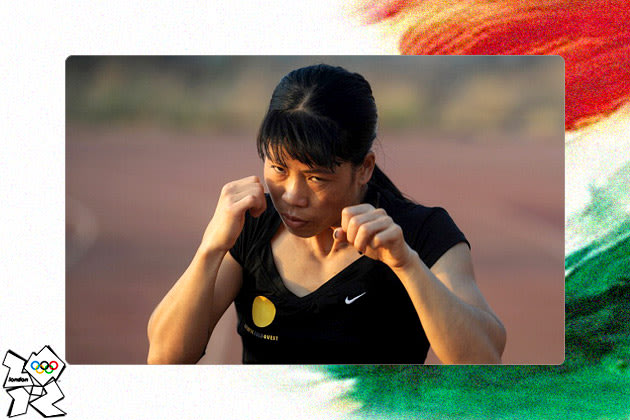
                      A Muhammad Ali fan, Mary Kom is easily India's best bet to win a gold medal at the London Olympics. Mary Kom recently beat Chinese opponent Ren Cancan to win a gold medal at the sixth Asian Women's Boxing Championship. Mary Kom won her world amateur titles at 46 and 48kg but the lightest of the three weight categories in London will be 51kg. Her defeat at the weight class in the 2010 Asian Games semi-finals was a wake-up call and she spent a month in Pune sparring with three heavier male boxers to prepare. She knows that the transition from the 48-kg weight category to 51 kg has its pitfalls. A game trier, she says will certainly make a fight out of it. A mother of two, the 29-year-old says that the Olympics will be tough as she has powerful opponents to box against in her new weight category.


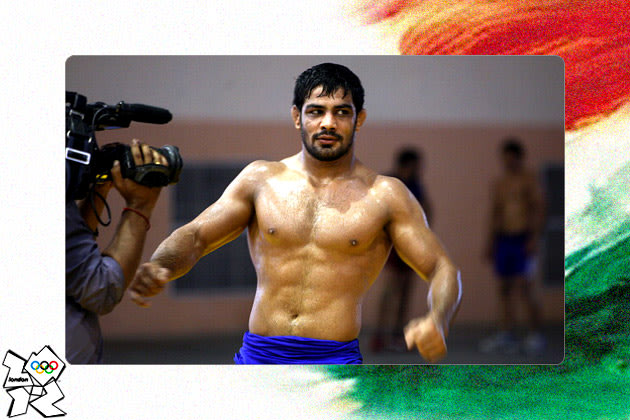
                                           Named India's flag-bearer at London Olympics, Sushil Kumar won the bronze in the Men's 66kg Freestyle wrestling event at the 2008 Beijing Olympics. He is the second Indian after Kashaba Dadasaheb Jadhav to win a medal in the wrestling event. Hailing from a modest family in Delhi, Sushil Kumar came to the limelight after he won a bronze medal at the Asian Wrestling Championships in 2003 and then followed it up with gold at the 2004 Melbourne Commonwealth Games in Melbourne. He also won a gold at the 2010 Commonwealth Games in New Delhi.


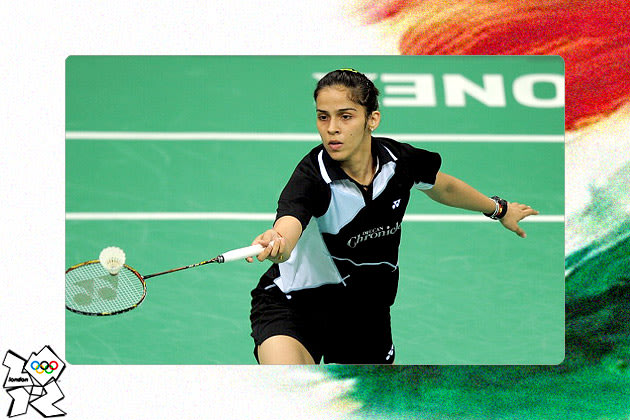
            Saina Nehwal has struck stunning form at just the right time ahead of the 2012 London Games where she hopes to deliver India a first Olympic badminton medal. The world number five followed up victory in the Thailand Open with a third Indonesian Open triumph. In 2010, on home territory and once more with the aspirations of the country swirling around her, Nehwal won Commonwealth Games gold, surviving a match point against Malaysia's Wong Mew Choo. Nehwal was 18 at the Beijing Olympics where she reached the quarter-finals only to lose out in three sets to Indonesian Maria Kristin Yulianti. Despite her stellar June, a tough challenge lies ahead for Nehwal but the hope is constant as Wembley looms. "My dream is to win a medal for India in badminton," Nehwal says.


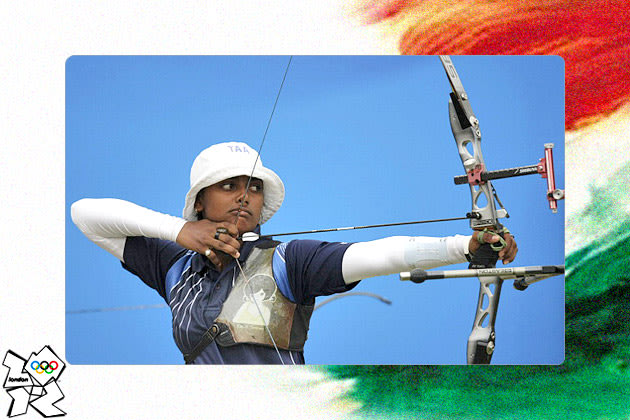
                      Deepika, who won two gold medals at the 2010 Commonwealth Games in Delhi and is touted to be a huge prospect for the country in the upcoming London Olympics 2012, is said to have accepted the job offer. Deepika, who has been training with the Tata Archery Academy for the past four years or so, has also won the gold medal at the Youth World Championship in Turkey in 2008. She represented the Indian team that won the silver medal in the 1st Asian Archery Grand Prix held at Bangkok in 2009. She won the Silver Medal in World Cup Stage III held at Ogden in August 2010.


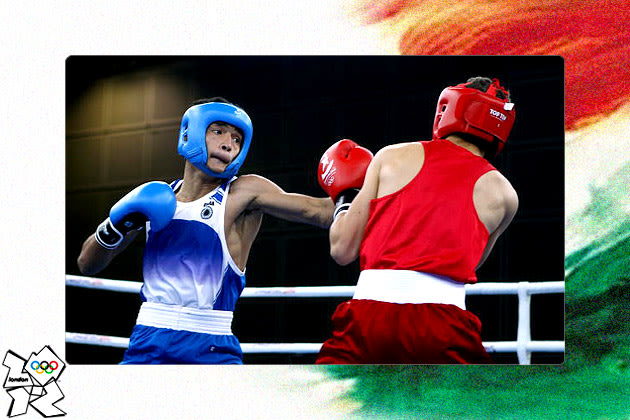
                     Teenage boxer Shiva Thapa qualified for the 2012 Olympics by entering the final of the 56 kg category at the Asian Olympic qualifying event, becoming the youngest Indian to do so. Shiva, a silver medallist at the 2010 Youth Olympics, was down 6-7 in the opening round. He changed gears in the second, taking a comfortable 15-6 lead. The Indian did not look back from there on and completed a comprehensive win. Shiva created quite a flutter by defeating a world champion in the finals in his debut senior international tournament, in Belgrade, where he went on to clinch a gold medal.


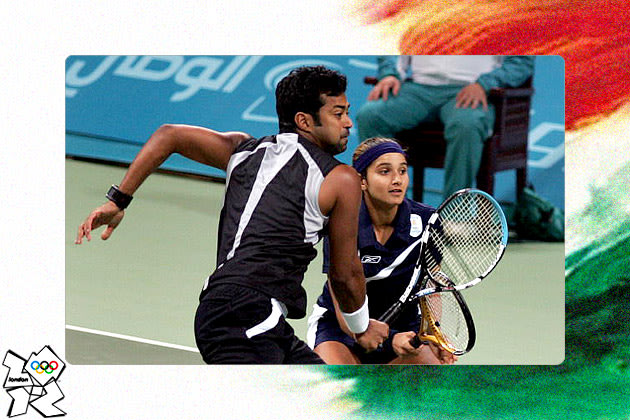
                             Whatever Sania Mirza has had to say on the mire that is Indian tennis should be taken with a pinch of salt. Sania, despite being torn out of a winning mixed doubles combination with Mahesh Bhupathi, will pair up (under pressure?) with Leander Paes, the country’s top-ranked doubles player – not such a bad state of affairs, one might think. The trouble is that Paes and Sania have not played competitively since the 2010 Commonwealth Games. One strategy that might work is Sania playing from the ad court, and Paes manning his usual spot on the deuce court. Sania might also consider landing her serve in once in a while. That would be a big help.


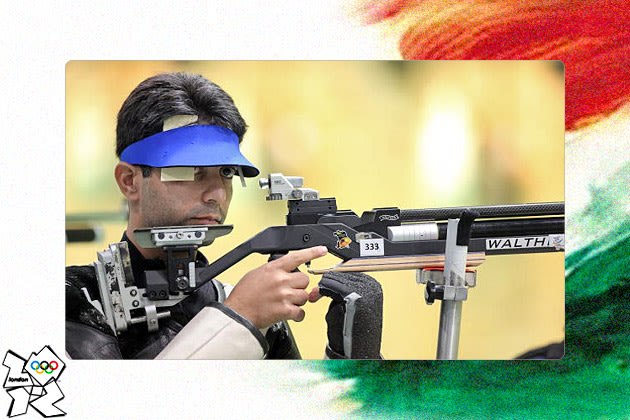
                                            He began by shattering beer bottles on the lawn and graduated to smashing ampoules with pellets from the air gun - a decade later Abhinav Bindra went on to become the first Indian to win a gold in the 10m air rifle event of the 2008 Games. Starved of significant Olympic success, Bindra feat at the Beijing Olympics has raised expectations of the world's second most populous nation. His fans have virtually taken a second Olympic medal for granted, but Bindra is not saddling himself with unnecessary pressure.


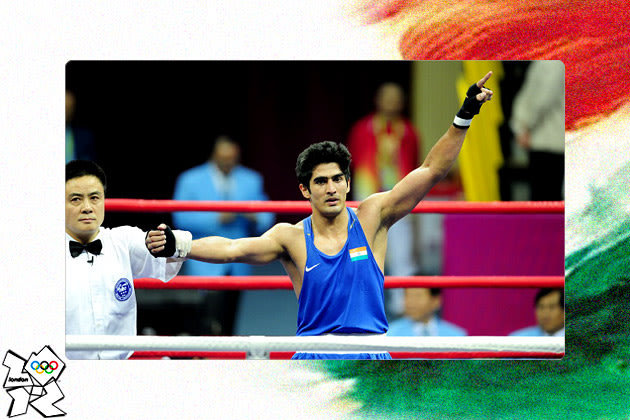
                             Vijender Singh, became the first Indian boxer to win a medal at the Olympics. At the 2008 Beijing Summer Olympics, he defeated Ecuadorian Carlos Góngora in the quarterfinals to win a bronze for India. Vijender became the first Indian boxer to qualify for the Olympic Games for a third successive time after beating Chuluuntumur Tumurkhuyag of Mongolia. After the Beijing Olympics and the Milan World Championships Vijender was the top ranked boxer in the 75kg weight category, however injuries and a spate of poor performances has seen him drop out of the top 45.


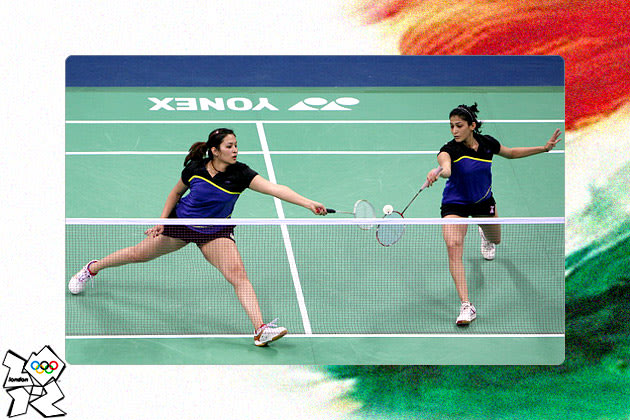
                                        She thinks it may take India years to emulate China's sporting success, but the badminton doubles specialist hopes to bring her country a step closer to that goal by earning a medal at the London Olympics. Having beaten some of the formidable Chinese pairs earlier, Gutta and Ponnappa gives themselves a fair chance of winning a medal in the women's doubles and mixed doubles events at London. Ashwini started playing with Jwala only in 2009 but the pair soon achieved success, winning the Commonwealth Games gold and bronze in World Championship at Wimbley arena in London, the same venue where badminton events will be held during the London Olympics


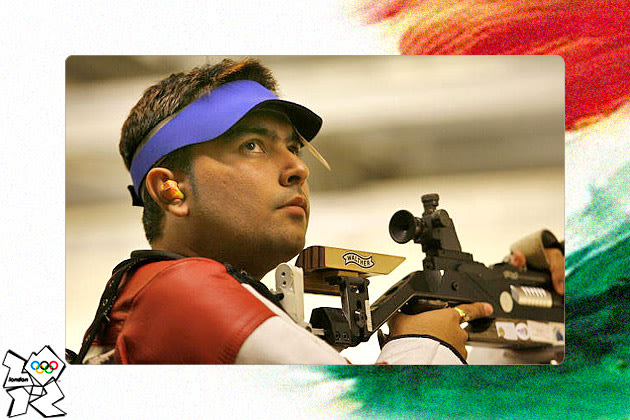
                                               Rifle ace Gagan Narang is hoping to be third time lucky and experience the heroic feeling of winning the planet's biggest sporting event in the upcoming London Olympics after two unsuccessful attempts in Athens and Beijing. Since missing out on the final by a point in the Beijing Games fours summers ago, Narang has gone on to win numerous medals in the ISSF World Cups, World Championship, Commonwealth Games and the Asiad, besides creating a new world record in 2008. Going by his form over the past couple of years, Narang stands a realistic chance of making a podium finish in London.


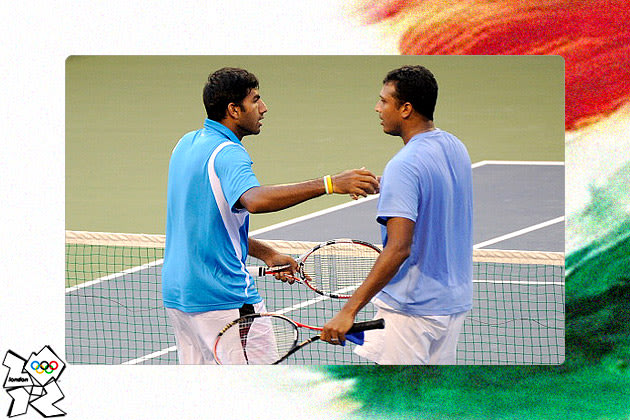
                                                    Is half the battle won already for this duo, now that they’ve finagled their way – as a team – to the Olympics. We think not! Since pairing up together at the beginning of 2012 – with an eye on London (as is repeatedly reinforced) – Bhupathi and Bopanna have won a solitary tournament from 14 outings. They have racked up five semifinals appearances too, but have been a stark disappointment in the majors, as indicated by a first round exit at Roland Garros and a second round ouster at Wimbledon. How Bhupathi’s solid baseline game complements Bopanna’s cannonball serve remains to be seen - especially on a surface as capriciously inconsistent as grass – and on that survives the hope of an Indian medal in tennis.
Sunday, 8 July 2012

 Former India captain Kapil Dev heaped praise on master blaster Sachin Tendulkar for his dedication to the game and said that his records will also be broken some day.

"When we were playing we used to think that whether the future will see any greater batsman than Sunil Gavaskar. But we were wrong. There have been greater players than Gavaskar. Because the game of cricket is bigger than any player."
Kapil Dev further added saying that human race would fall behind if the legendary cricketer's records are not broken.

"Sachin has played brilliantly throughout the career and has accumulated huge records but his records will also be broken one day because this is cricket," Kapil said.Kapil Dev, who was in Kolkata to address a programme of Akash Institute, for students who cracked the medical and engineering entrance exams said the three factors that makes a person successful were discipline, dedication and self confidence.

In our time we used to think, can anybody ever go past Sunil Gavaskar?"
"But it happened, it's happening and it will happen for sure. Records are meant to be broken. Sachin has achieved such a big milestone, if nobody breaks it then the human race will fall behind. We are waiting for the day when somebody will come and break Sachin's record," India's first World Cup winning skipper said.

He also said that a talented person also needs to plan one's career in order to be successful in life.Talking about two cricketers who were in limelight during the end of his career, said media had also termed them as the best to have played for the country.

"During the end of my cricket career there was a lot of hype regarding two young talents: one was Sachin Tendulkar and the other one was Vinod Kambli.
"Both of them were very talented. But now look where Sachin has reached. Kambli couldn't make it big because of his lack of discipline," he said.

"Kambli did not have the roadmap for himself as to what he wanted to achieve.Sometimes, you have the talent but if you don't understand yourself, you can't become Sachin Tendulkar. You have to have a role model. But that is not the end as you have to go beyond your role models," Kapil pointed.


ThatsCricket

Wednesday, 4 July 2012

Will Dravid be India’s Director of Cricket Operations?

The Indian Express’ Shamik Chakrabarty has reported that Former India captain Rahul Dravid could be in line for a top job in Indian cricket. The BCCI is said to be considering appointing Dravid as Director of Cricket Operations.

The report further states that the appointment is expected to be taken up by BCCI’s working committee at its Annual General Body meeting in September -

The Director of Cricket Operations will have to oversee the cricketing system in the country - from the age-group teams to the national team, it is learnt.

The idea to create this post and appoint Dravid was floated by a top BCCI official after the former No.3 Test batsman retired in March. BCCI president N Srinivasan agreed in principal to the proposal. Dravid will be briefed about the BCCI’s plan and if he agrees to take up the responsibility, the proposal will be tabled at the AGM.

The Indian Express report also quotes a senior BCCI official who claims inspiration for the idea came from the England and Wales Cricket Board (ECB), who have Andy Flower in a similar role. “England have benefited a great deal by appointing Flower. They are the No.1 Test side in the world. We fared badly in England and Australia last season and some overhaul is needed to improve our record overseas. And who better than Dravid for the job,” said the official to the paper.

Indian Team Squad for Srilanka Series : With Sewag & Zaheer

India's batting great Sachin Tendulkar has opted out while Virender Sehwag and fast bowler Zaheer Khan made a comeback to the 15-member squad for the ODI tour of Sri Lanka in July-August.

Ravindra Jadeja, Praveen Kumar and the Pathan brothers Irfan and Yusuf missed out on being a part of the squad for the five ODIs and a Twenty20 international starting July 21.

Sehwag, Zaheer, and young pacer Umesh Yadav, had to miss the Asia Cup in Bangladesh in March due to injuries. Sehwag was recovering from back spasms and a shoulder injury while Zaheer and Umesh had niggles as well.

Tendulkar, who is now a Rajya Sabha MP, made himself unavailable for selection keeping in mind the hectic season. He is likely to attend his first session of parliament when the monsoon session begins later this month.

Tendulkar has been replaced by young Mumbai batsman Ajinkya Rahane while left-arm spinner Pragyan Ojha took the place of out-of-form all-rounder Ravindra Jadeja. Praveen made way for Umesh.

"We have selected the best available team. Sachin is not available. I think it is a very good side which has very strong batting line-up and good bowlers and we are confident that it will do well in Sri Lanka," chairman of selection committee Krishnamachari Srikkanth said.

Off-spinner Harbhajan Singh, who recently signed for Essex, remains out of favour after his unimpressive form in the Indian Premier League (IPL). His statemate leg-spinner Rahul Sharma has been retained in the side.

Srikkanth hoped the team would return to winning ways.

"It is a long season ahead and I think we will come back to winning ways. Sachin wants to extend his career. He must be aiming at England and Australia (series later this year). He is spacing it out very well," said Srikkanth. "I don't really want to dwell on whys, they are difficult. We should look at what has been selected," he said.

Virat Kohli is the vice-captain and Srikkanth said it is time to back the Delhi boy.

"Virat Kohli has been appointed vice-captain, the idea is continuity. Virat got brilliant hundreds after becoming vice-captain which shows that he likes responsibility," explained Srikkanth.

Sri Lanka will also host the Twenty20 World Cup a month after the series.

The Squad: Mahendra Singh Dhoni (capt), Virat Kohli (vice-capt), Virender Sehwag, Zaheer Khan, Gautam Gambhir, R Ashwin, Umesh Yadav, Ashok Dinda, Suresh Raina, Vinay Kumar, Rohit Sharma, Pragyan Ojha, Ajinkya Rahane, Manoj Tiwary, Rahul Sharma.

Site Search