Showing posts with label News. Show all posts

Tuesday, 3 December 2013

Aggressive kids born of poor parenting


The picture for representational purpose only.
 
 Kozhikode: Poor parenting and changes in lifestyle brought about by  the new socio-economic realities are also to blame for the increasing aggressiveness displayed by children and their use of abusive language today, believes noted psychiatrist, Dr S. Santhakumar.
 
“Changes in the socio-economic profile of the st­ate during the past three or four decades have to be taken into account while addressing the issue,” he says.
 
While agreeing that the language used by the new generation cinema and  on television has a big  influence on  children who are at an impressionable age and scores of studies have established the negative influence of television on them, he says this alone  cannot be blamed  for the foul language used by many of them today.
 
“We have to look at the larger picture as in most families parents don’t have enough time for their children as they are both working. They may think that by working hard to make  a living they are providing for their children’s future,  but unfortunately it is not so simple. Children have their own fantasies and desires and if parents are unable to devote more time to listening to them,  they  will try to fulfill them through other sources,” he warns.
 
“This is especially important in the age of the Internet and mobile phones. I am not saying parents should spy on their children, but they should have a clear understanding about the kind of networking they have, “ he underlines.
 
Although in most cases  children can be cured of aggressive behavior if the problem is addressed, in  some cases they are beyond help, he says. “ I feel sad for such children and their parents,” he adds. 

Positive parenting won't make up for yelling, insulting


Young adults who had been criticized, insulted or threatened by a parent growing up were more likely to be anxious or depressed, in a new study.
Even when the same or another parent expressed plenty of affection, researchers found the apparent harmful effects of having a verbally aggressive mother or father persisted.
"There's a fair amount of data out there that says that parental verbal aggression toward a kid is very damaging," Byron R. Egeland said.
"In many instances, people find it to be as damaging as actual physical abuse," he told Reuters Health.
Egeland has studied child maltreatment and development at the University of Minnesota in Minneapolis and was not involved in the new research.
Past research has linked verbally aggressive parenting to changes in children's brain development and to personality disorders later in life, researchers led by Ann Polcari write in the journal Child Abuse & Neglect.
Polcari, from Northeastern University in Boston, and her colleagues wanted to see whether also receiving affection from parents would lessen those impacts.
Their study included about 2,500 young people, ages 18 to 25. They each took a series of online surveys as part of being screened for in-person tests and interviews for other research.
Participants reported both on their current mental health and wellbeing and on their experiences with their parents growing up.
They rated each of their parent's verbal aggression on a scale from zero to 105, based on how often mothers or fathers yelled at, scolded, insulted and blamed them as kids. More verbally aggressive parents got higher scores.
Study participants gave their mother's verbal aggression an average score of 22. They scored fathers between 26 and 29.
Verbal affection was measured from zero to 84, with higher scores reflecting a parent who expressed more affection and engaged in more meaningful conversations with the child.
Participants scored their mothers between 65 and 66 on that scale, on average, and their fathers between 54 and 55.
Young adults tended to have more psychiatric symptoms like anxiety and depression when either their mother or their father was verbally aggressive.
What's more, although having a verbally affectionate parent seemed to have a positive impact on young people's wellbeing, it didn't make up for having a second parent who was verbally aggressive, Polcari's team found.
And having one parent who was both affectionate and aggressive wasn't any better for a young person's psychiatric health than if that parent was only aggressive.
"It isn't as if one cancels the other," Timothy Moore, from York University in Toronto, told Reuters Health.
"Whatever the benefits of positive expressions may be, the negative association between verbal aggression and adjustment persisted," Moore said. He has studied the effects of verbal aggression in childhood but wasn't involved in the new study.
"It certainly is important that there be somebody there that the kid can count on, starting at an early age," Egeland said.
"But a large amount of verbal abuse or for that matter having a parent who is emotionally unavailable or physically abuses the kid - those kids will grow up with the idea that they can't count on others. Those are kids that oftentimes don't benefit from the support of a neighbor or coach or relative," he said.
"If the abuse starts at a very early age, it's likely that kid is not going to have trust in much of anybody."
Egeland said the fact that verbal aggression is more common in poor families means children who experience it are also more likely to have single parents and lower quality schools - compounding their risks.
One limitation of the study, the researchers noted, is that participants recalled their parents' verbal aggression from years earlier to the best of their memories. They also reported their own symptoms and weren't checked by a doctor for psychiatric illness.

Thursday, 10 October 2013

Pranab makes way for Modi's rally in Patna, to cut short his Bihar trip

Pranab makes way for Modi's rally in Patna, to cut short his Bihar trip

Narendra Modi and Pranab Mukherjee
The BJP claimed a shot in the arm claiming that President Pranab Mukherjee has agreed to cut short his visit to Bihar by a day in the wake of its rally in Patna on October 27.

BJP leaders Shahnawaz Hussain and Rajiv Pratap Rudy called on the President at the Rashtrapati Bhavan on Thursday. Even though they called it a "courtesy call", they told reporters after the meeting that he has told them that he would not stay in Bihar on October 26 night, as scheduled originally.

"It was a courtesy call since he is coming to Bihar and our rally is on the 27th. The President is coming to Bihar on October 26 and he has cancelled his night halt. He will return the same day. Now he will arrive at Patna airport and go directly to convocation and return," Hussain said after coming out of the Rashtrapati Bhavan.

"We were concerned that he doesn't have to face any problem due to the BJP rally... It is great that the prime minister-in-waiting is visiting a day after the President," he added.

Gujarat Chief Minister Narendra Modi, who is also the NDA's prime ministerial candidate, is scheduled to address the Patna rally on October 27.

The BJP had accused the ruling Janata Dal-United of deliberating scheduling the President's visit to Bihar to clash the date with its rally. The JD-U, however, had rubbished the charge saying it had no say in the President's trip plan.

The BJP and the JD-U had snapped ties earlier this year after it became evident that the BJP would declare Chief Minister Nitish Kumar's bete noire Narendra Modi as its prime ministerial candidate.

Wednesday, 23 January 2013

World's 10 safest and unsafest airlines

World's 10 safest and unsafest airlines

 1.Finnair

Finnair Celebrates 85th Anniversary In Milan Finnair has been rated the safest airline in the world, based on the study that monitors plane crashes around the world. 


 2.New Zealand

New Zealand Prepares ForAir New Zealand has been rated as the world's second safest airline. 


3.Cathay Pacific

Cathay Pacific AirlinesAccording to the report, none of the top nine ranked airlines had lost an aircraft or had a fatality during the 30-year period. Cathay Pacific is ranked at No.3 in terms of safety.


4.Emirates Airline

Emirates Launches Daily A380 Flights From Dubai To MunichDubai-based Emirates Airline is ranked at No.4 for safety.


5.Etihad airways

World's 10 safest and unsafest airlinesAnother airline from the United Arab Emirates; Abu Dhabi-based Etihad airways comes in next in the rankings.


6.EVA Air

World's 10 safest and unsafest airlinesRank 6: EVA Air is an airline based in Taiwan, operating passenger and dedicated cargo services to over 40 international destinations in Asia, Australia, Europe and North America. It is the second largest Taiwanese airline, next in size to its main rival, China Airlines.

7.TAP Portugal

An Airbus jet of TAP Portugal airlines takes off in Lisbon airportRank 7: TAP Portugal, founded 1945 as Transportes Aéreos Portugueses, SGPS, S.A., commonly known as TAP, is the national airline of Portugal.


8.Hainan Airlines

World's 10 safest and unsafest airlinesRank 8: Hainan Airlines is the largest privately owned air transport company and the fourth largest airline in terms of fleet size in the People's Republic of China. It operates scheduled domestic and international services on 500 routes from Hainan and nine locations on the mainland, as well as charter services.

9.Virgin Australia

Tiger Airways Resumes FlightsRank 9. Virgin Australia: formerly Virgin Blue Airlines, is Australia's second-largest airline as well as the largest by fleet size to use the Virgin brand. Now based in Bowen Hills, Brisbane, Queensland, Australia, the airline was co-founded by British businessman Sir Richard Branson and former Virgin Blue CEO Brett Godfrey. It was established in 2000 with two aircraft operating on a single route, and suddenly found itself catapulted to the position of Australia's second airline after the collapse of Ansett Australia in September 2001. The airline has grown to directly serve 29 cities in Australia from hubs in Brisbane, Sydney and Melbourne, using a fleet of narrow-body Boeing and Embraer jets; and Airbus and Boeing widebody jets.

10.British Airways

Activity in Heathrow Airport's Terminal 5British Airways has been ranked as the tenth safest airline in the world.


'UN mission in Kashmir can be terminated only by UNSC'

'UN mission in Kashmir can be terminated only by UNSC'

As India and Pakistan clashed in the Security Council over relevance of the UN observer group at the LoC, a spokesperson for UN chief Ban Ki-moon said the force can be terminated only by a decision of the 15-nation body.
The United Nations Military Observer Group in India and Pakistan (UNMOGIP) was "established in 1948 by the Security Council. The Secretary-General's position has always been that UNMOGIP can only be terminated by a decision of the Security Council," Ban's spokesperson Martin Nesirky said in an email said.
During a UNSC open debate on peacekeeping organised by Pakistan yesterday, India's Permanent Representative to the UN Hardeep Singh Puri had said that UNMOGIP's role had been "overtaken" by the 1972 Simla Agreement, which was signed between India and Pakistan.
Following the Simla pact, the two countries had resolved to settle their differences by "peaceful means through bilateral negotiations," Puri said.
The Indian envoy had also suggested that it would be better to spend the resources allocated for UNMOGIP in other areas or missions to ensure the finances are better utilised elsewhere in times of austerity.
Rejecting any suggestion of winding down the UN mission in Jammu and Kashmir, Pakistan's Permanent Representative to the UN Masood Khan said UNMOGIP continues to monitor the ceasefire in accordance with Security Council resolution and its mandate is "therefore fully valid, relevant, and operative".
Khan said no bilateral agreement between the two nations has "overtaken or affected" the role or legality of the observer group adding that "the fact is that both India and Pakistan are hosting UNMOGIP".

Tuesday, 15 January 2013

Facebook shares rise in buildup to mystery event, earnings


Facebook shares rise in buildup to mystery event, earnings


(Reuters) - Facebook Inc's stock opened on Monday above $32 for the first time since July as anticipation about upcoming products and financial results underscored Wall Street's renewed confidence in the online social network.

                                            Facebook will on Tuesday host its first major press event at its headquarters in Menlo Park, California, since its troubled initial public offering in May, triggering a guessing game among technology observers and online blogs about what it could unveil - everything from a smartphone to a search engine.
"There's a lot of speculation. Nothing to me seems to be that certain," Jefferies & Co analyst Brian Pitz said.
"If I were to bet, I'd think it was something that was ad-platform related. I'm not convinced on the phone," said Pitz, citing previous comments by Facebook's leaders including CEO Mark Zuckerberg that making a smartphone would be the "wrong strategy" for Facebook.
In an email to reporters last week, Facebook invited the media to "come and see what we're building" without providing details.
Some analysts said the stock's recent gains - shares are up roughly 17 percent since the start of the year - may have more to do with the company's upcoming fourth-quarter financial results, slated for January 30.
"The stock is up because they have driven a dramatic increase in the ad load of their mobile app which is giving investors hope that they exceeded expectations," BTIG analyst Richard Greenfield said.
Shares were down about 1.3 percent to $31.30 in mid-afternoon trading.
The world's No.1 social network with 1 billion users, Facebook became the first U.S. company to debut on stock markets with a value of more than $100 billion. Its value subsequently plunged by more than 50 percent on mounting concerns about slowing revenue growth and the challenges of making money as users shift from personal computers to mobile devices.
Facebook surprised Wall Street in the third quarter by announcing that mobile ads accounted for 14 percent of its total ad revenue. Some analysts expect the company to report further growth in its nascent mobile ad business for the fourth quarter.
Zuckerberg, who founded Facebook in his Harvard dorm room, has said that mobile is the "most misunderstood aspect" of Facebook. But he has repeatedly poured cold water on rumors that Facebook would build its own smartphone to compete against Apple Inc's iPhone and smartphones based on Google Inc's Android operating system.
During an on-stage interview at a conference in September, Zuckerberg said that he believed search could be a ripe area of growth for Facebook.
"Facebook is really uniquely positioned to answer a lot of the questions that people have," Zuckerberg said, such as finding a good restaurant or learning more about a job opportunity.
Still, many technology observers believe that Facebook is more likely to improve the search capabilities within Facebook than to develop a full-fledged search engine that indexes all the Web's content and competes head-on with search leader Google.
Among the other items that technology blogs and analysts speculate might be unveiled on Tuesday were new standalone apps for Apple's iPad tablet, new features to display video ads and even a new wing of corporate headquarters.
Some cautioned that expectations of a game-changing new product were likely to cause disappointment.
"There's no way they're announcing anything that has financial impact, or they wouldn't do it now, they'd wait two weeks," said Wedbush Securities analyst Michael Pachter, citing Facebook's upcoming earnings

In southern Delhi, a slum lives in fear and uncertainty

     In southern Delhi, a slum lives in fear and uncertainty

 (Any opinions expressed here are those of the author, and not necessarily of Thomson Reuters)

                                 Raju Saini appears fidgety and nervous as he talks about his cousin. He speaks matter-of-factly, but there is a hint of caution in his voice, as if he is wary of what we might think about him and the place where he lives. Fifteen minutes into the conversation, he says what has been on his mind.
“We know what we are going through. Now even if people don’t say it out openly, they know we are from Ravidas camp, and eye us with suspicion whenever we go to work. This incident has given us a bad name,” said the 40-year-old man. Saini is tall and lanky with salt-and-pepper hair and a thin moustache, and was wearing grey thermals on the day we met in the slum.
Saini’s cousin is Ram Singh, probably the most hated man in the country. He is the main accused in the assault and rape of a 23-year-old physiotherapy student in a moving bus in Delhi on Dec. 16. The woman died two weeks later after being moved to a hospital in Singapore. The assault, along with four other adults and a juvenile, shocked India and the world, and renewed public debate over the failure of authorities to stem violence against women.
Raju and his wife Asha live in a small one-room dwelling in a slum in the southern part of New Delhi. The slum, known as Ravidas camp, is where four of the six accused in the crime were living before being arrested. It is nestled between a derelict medieval tomb and a temple. Like many slums, dark, narrow lanes snake through shabby quarters, communal taps and open sewers. And like many slums in India’s cities, it squats amid a largely middle-class neighbourhood.
The neighbourhood, RK Puram, is dotted with shopping complexes and government-owned apartments for the many employees who run the national capital’s bureaucratic machinery. It is a well planned locality with wide streets and tree-lined boulevards.
Raju, Asha and many inhabitants of Ravidas camp speak in hushed tones about what it’s like living in a place made infamous by the blanket coverage that Indian and international media have devoted to the attack and its aftermath. It is apparent that their hitherto unnoticed existence on the fringes of India’s economic boom has been intruded upon, and thrust them unwillingly into the public eye, sometimes at a risk to their lives.
On Dec. 31, a man walked into the slum and threatened to blow up Ram Singh’s dwelling. Singh’s neighbours recall that the person claimed to be a soldier, and screamed at everyone to vacate the locality before he would lob crude bombs into Singh’s house.
“He screamed ‘Get out. I am going to destroy this house. I have orders from the government.’ That seemed strange to us as he was asking for directions to Ram Singh’s place. One of the children dialled 100 and called the police,” said one of Singh’s neighbours.
Inhabitants say there is heavy police presence outside the slum at night, and the police keep paying visits to speak to families of the accused as part of their investigations.
At the other end of the slum, some 50 yards from Singh’s dwelling, is a one-room house with a tin roof. This is where Vinay Sharma lived before the police picked him up. His three younger siblings and parents, along with a TV, an air cooler and all their other belongings, fit into a space the size of an average office cubicle.
His mother Champa Devi tries to hold back tears as she describes what she has gone through since Sharma was arrested. She did not know about the heinousness of the crime until she saw the reports on TV. She says she fainted and her husband has taken ill since their son was taken away.
“I have experienced things which I never thought I would. Every day the police and people from the media land up, asking the same questions,” she said, maintaining that if Sharma was guilty, he should be hanged.
When I spoke to Raju Saini, he asked me for a favour. “When you report, please take care not to say anything which might damage the situation even further. We are scared … Ever since that person threatened to blow up Ram Singh’s house, we have been scared.”

6 security personnel killed in militants' attack in Pakistan


6 security personnel killed in militants' attack in Pakistan


                                  ISLAMABAD: Six security personnel were on Tuesday killed and 16 others injured when militants attacked a check post in the restive Khyber tribal region of northwest Pakistan.

Militants attacked a check post in Shalobar area in Khyber Agency.

State-run Radio Pakistan quoted officials as saying that six security personnel were killed and 16 others injured.

Security forces retaliated against the attack and forced the militants to retreat, the officials said.

TV news channels reported that militants attacks four check posts in Shalobar area.

The reports said personnel of the Frontier Corps and Khasadar militia were among those killed in the overnight clash.

The militants attacked the troops with heavy weapons that damaged one of the check posts.

The attacks occurred in an area dominated by the Lashkar-e-Islam group led by warlord Mangal Bagh Afridi.

Monday, 6 August 2012

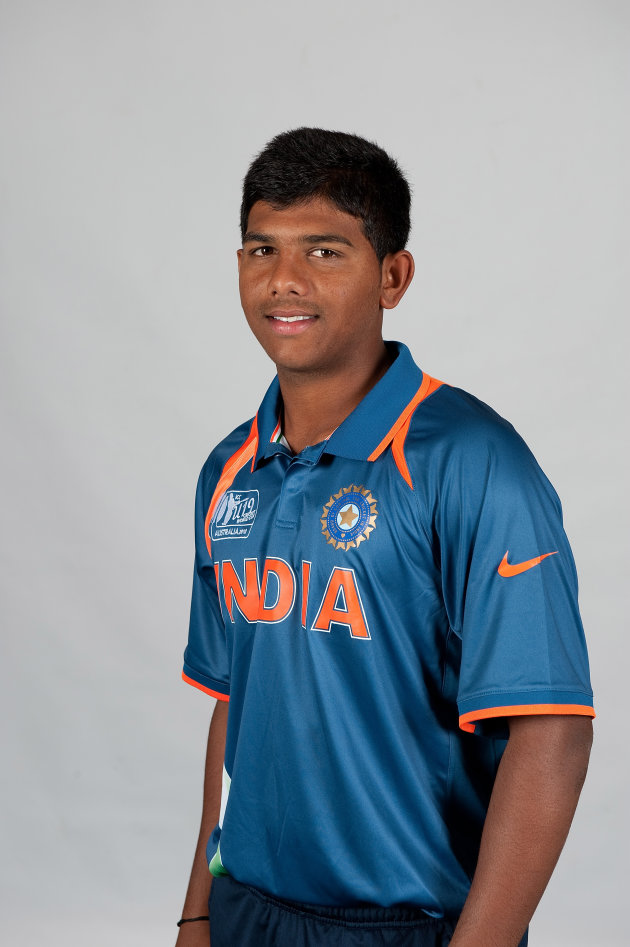
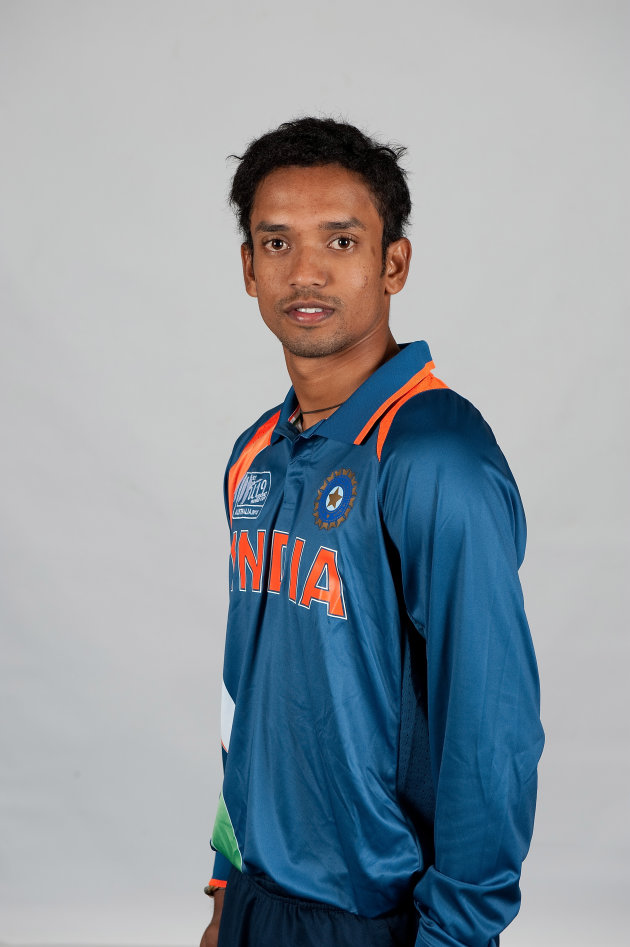
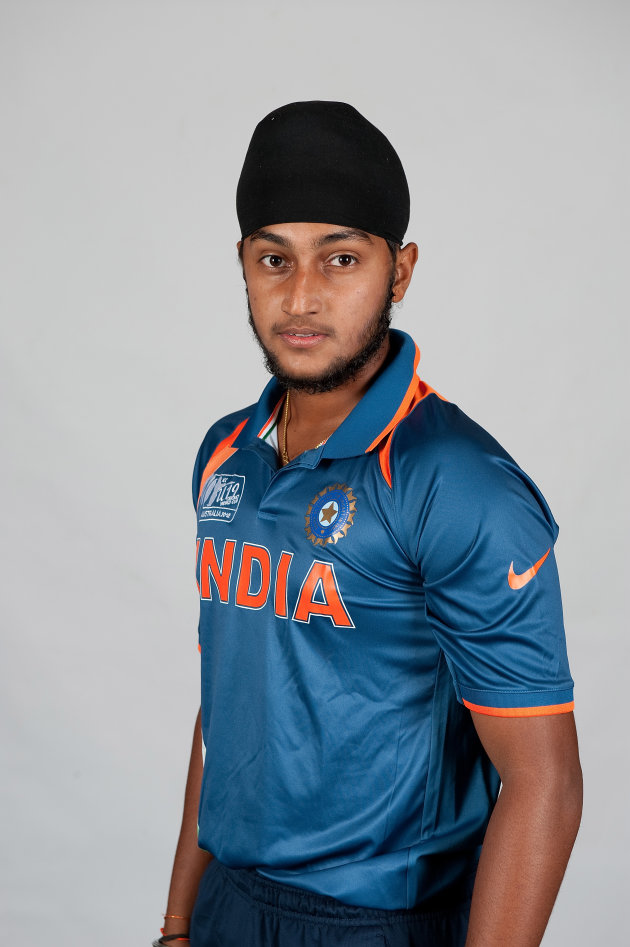
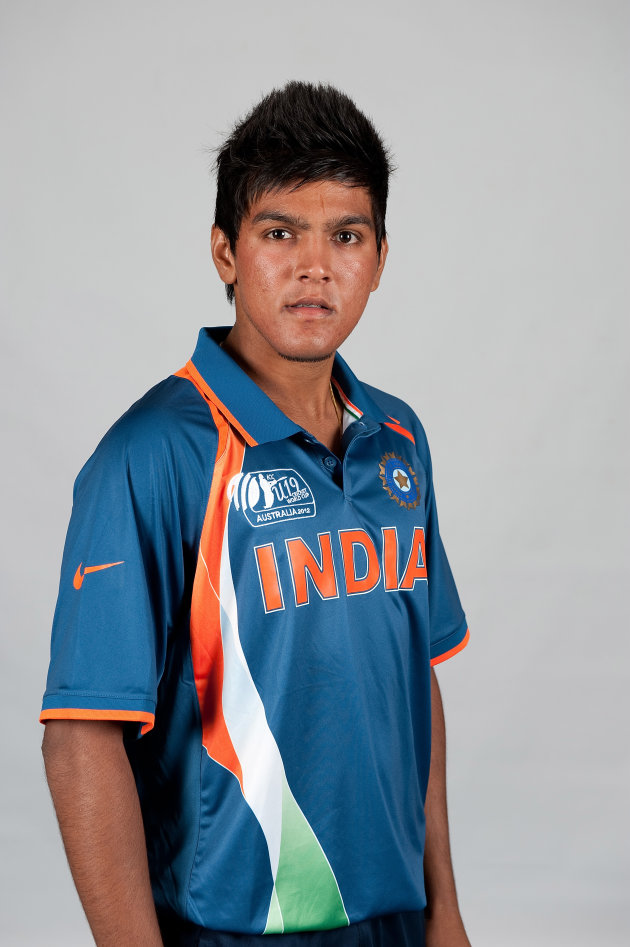
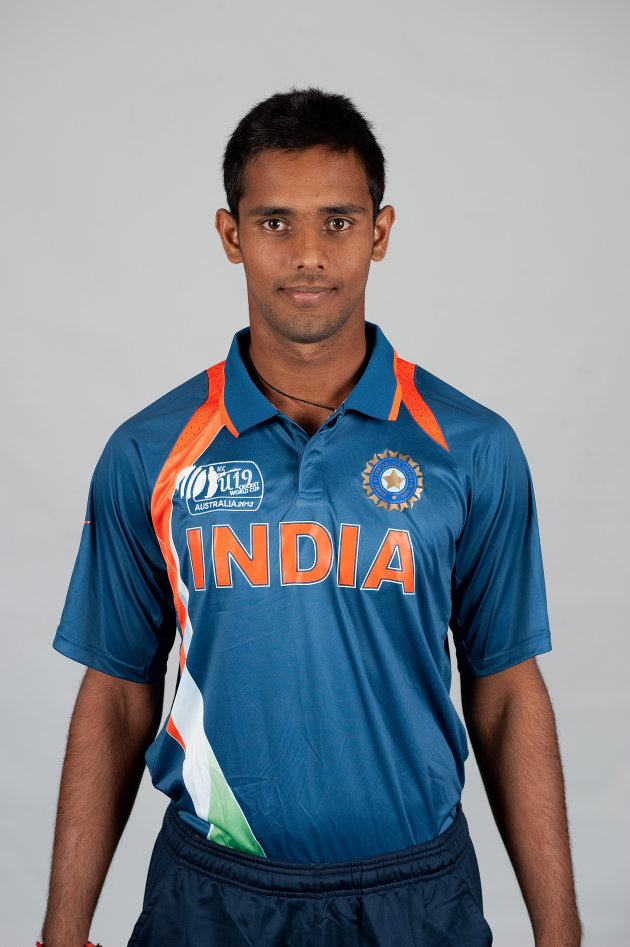
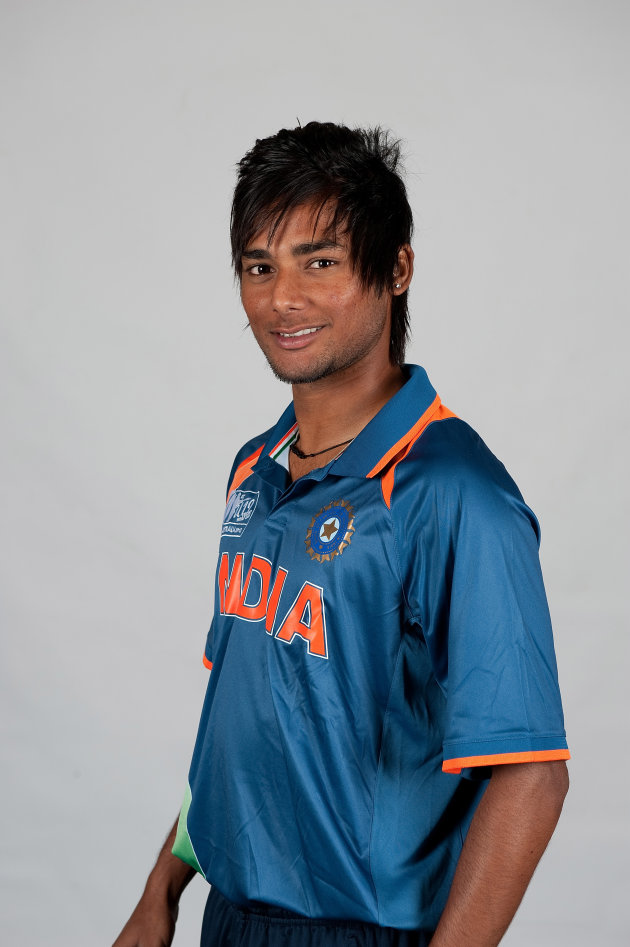
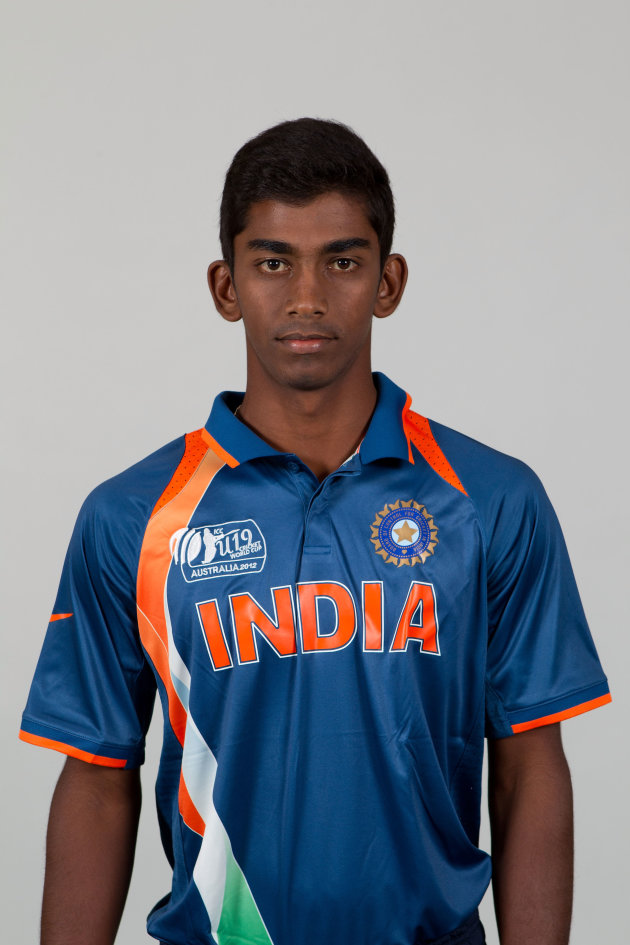
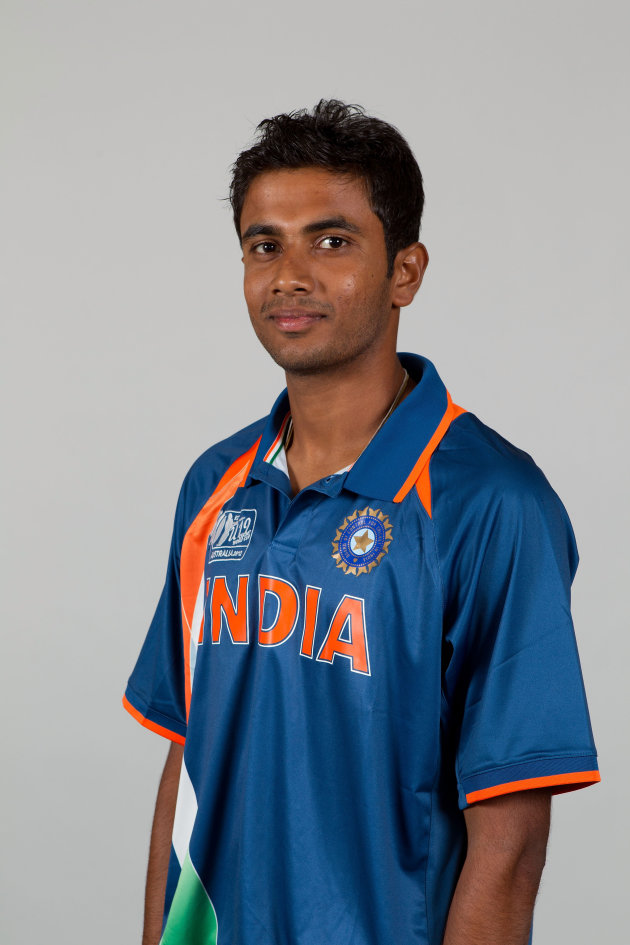
Meet India at the U-19 World Cup

Unmukt Chand — Captain, right-handed batsman and off-break bowler. He's the mainstay of the India U-19 batting line-up, having scored important hundreds for them in Australia and the Youth Asia Cup this year. Born March 26, 1993, Delhi. He has played 11 Ranji Trophy matches for Delhi. He had played two IPL games this year for Delhi Daredevils.


Akshdeep Nath — Right-hand batsman and medium pace bowler. He is the vice-captain of the team. Born May 10, 1993, Lucknow, Uttar Pradesh. He has played three one-dayers for Uttar Pradesh.


 Akhil Herwadkar — Left-hand batsman and right-arm off-break bowler. Born October 31, 1994 in Sangli, Maharashtra.


Ravikant Singh — Right-hand batsman and medium pacer. Born March 18, 1994, Kolkata, West Bengal.


 Vijay Zol — Left-hand batsman and right-arm off-break bowler. Born November 23, 1994, Jalna, Maharashtra. He has represented Maharashtra and Royal Challengers Bangalore.


Sandipan Das — Right-hand batsman and medium pacer. Born November 29, 1992, Kolkata, West Bengal. Has played for Cricket Association of Bengal XI.


Harmeet Singh — Left-arm batsman and slow orthodox bowler. Born September 7, 1992, Mumbai. He has played three Ranji Trophy matches for Mumbai.


 Smit Patel — Right-hand batsman and wicketkeeper. Born May 16, 1993, Ahmedabad, Gujarat. Has played one one-dayer for his home state.


 Hanuman Vihari — Right-hand batsman and off-break bowler. Born October 13, 1993, Kakinada, Andhra Pradesh. He has represented Hyderabad in the Ranji Trophy and Vijay Hazare Trophy.


Kamal Passi — Right-hand batsman and medium pacer. Born November 30, 1992, Amritsar, Punjab. He has played for India U-19s in Australia.


Sandeep Sharma — Right-hand batsman and medium pacer. Born May 18, 1993, Patiala, Punjab. He has played three Ranji games for his home state.


Vikas Mishra — Right-hand batsman and slow-left arm bowler. Born December 27, 1992, Delhi. He has played 15 Ranji Trophy matches for Delhi.


Baba Aparajith — Right-hand batsman and off-break bowler. Born July 8, 1994, Chennai, Tamil Nadu. He has played for his home state four times.


Prashant Chopra — Right-hand batsman and leg-break bowler. Born October 7, 1992, Solan, Himachal Pradesh. He has played six First Class games for HP.


Rush Kalaria — Right-hand batsman and left-arm medium pacer. Born January 16, 1993, Rajkot, Gujarat. He has played one one-dayer for Gujarat.


Wednesday, 1 August 2012

Olympics hockey: India suffer another reverse, lose 1-3 to Kiwis

 London, Aug 1 (IANS) New Zealand chalked up a 3-1 win over India who thus slid to their second defeat in as many matches in the Olympic men's hockey competition here Wednesday.

India, after a sensational start when Sandeep Singh converted a second minute penalty corner, faded away as the Kiwis came storming back with goals by Andrew Hayward (13th), Phillip Burrows (24th) and Nicolas Wilson (29th), and then nursed the lead to the end.It was a very disappointing performance by the Indians who just did not have the pace or power to overwhelm the Kiwis. Rather, age-old errors seemed to creep into India's game with badly positioned forwards inside the striking circle, over-dribbling and lack of variety in their attacks.

In the deep defence, too, the Indians looked a step slower than the Kiwis and, more often than not, struggled to get the ball away from the danger zone. So much so that for the second-half coach Michael Nobbs replaced captain and goalkeeper Bharat Chetri with Sreejesh, who justified the substitution with a couple of good saves.In contrast, the Black Sticks, who had beaten India 5-1 en route to winning the Azlan Shah Cup in Malaysia earlier this summer, appeared better organized in the midfield and deep defence while the forwards bided time for the long balls to counter attack.

In fact, the Kiwi defenders seemed to read the Indian attacks rather well and had enough men behind the ball to stall the rivals.India, who went down 2-3 to the Netherlands Monday, promised a lot in the opening minutes when they forced a penalty corner that Sandeep Singh converted, picking a brilliant angle and height to slot the drag-flick into the net.

However, the Kiwis kept their composure and gradually came back into the match while the Indians backpedalled at the first sign of counter-attack and provided a lot of space for the Black Sticks to make their moves.The Kiwis, who lost 0-2 to Korea in their opening game, accepted the invitation and began to attack in waves and forced two penalty corners, the second of which Hayward converted for the equaliser.

The Kiwis sustained the pressure and, with their forwards slipping through a rather porous Indian defence, it was only a matter of time before they scored. Another Hayward penalty corner attempt saw the ball deflecting on to defender Birendra Lakra's body off goalkeeper Bharat Chetri's stick resulting in a penalty stroke that Burrows converted.

The pattern continued and the Kiwis scored again on a counter-attack from the right wing as Wilson put Shea McAleese through and then was on hand to put home the return pass to put New Zealand 3-1 up.The Indians, apart from their opening spell, were hardly in the frame except during some sporadic raids that were easily repelled by a well-structured Kiwi defence.

The second-half was rather scrappy with the Kiwis more intent on pegging the opponents inside their own half while the Indians seemed to wilt under ceaseless pressure, unable to put together an effective attack.

Also, two yellow card suspensions in this session, first Sardar Singh for retaliation and Manpreet Singh for deliberate infringement, did not help India's cause while Sandeep Singh failed to convert two back-to-back penalty corners in the last quarter while Raghunath's attempt came off the post in the dying minutes.The Kiwis had a few chances to add to their first-half tally, notably three penalty corners, but Sreejesh brought off some fine saves to peg the score-line.

Olympics: BWF rejects India's appeal, Jwala-Ashwini out


London, Aug 2 (IANS): It was finally the end of the road for India's top women's doubles pair of Jwala Gutta and Ashwini Ponnappa in the 2012 London Olympics after their appeal was shot down by the Badminton World Federation (BWF) here Wednesday.

The Indians had accused the Japanese pair of Mizuki Fujii and Reika Kakiiwa of "wanting to lose" a Olympic Games group match against the Chinese Taipei team. India's appeal of a re-look at the match came after the BWF suspended four female pairs for "not using one's best efforts to win a match".

The suspended pairs are Wang Xiaoli and Yu Yang of China; Greysia Polii and Meiliana Jauhari of Indonesia; Jung Kyung Eun and Kim Ha Na of South Korea; and Ha Jung Eun and Kim Min Jung, also of South Korea.

However, they were not from Group B, of which the Jwala and Ashwini were a part of. The Indians finished third in their group.

A disappointed Jwala said that they were not angry but disappointed.

"We are not angry, but disappointed. It was unfortunate. But we gave our best. Fixers should not be allowed to take part in the Olympics," said Jwala.

Ashwini told IANS that they had given their best.

"We have given our best and that is all we could do. Some things are not in our control," she added.

India coach Pullela Gopichand, a former All-England champion, said match-throwing does not stop there.

He claims that once China lost to Denmark in Group D Tuesday, Japan "wanted to be second" in Group B.

The No.4 seeds Fujii and Kakiiwa went down 19-21, 11-21 to the unseeded Cheng Wen Hsing and Chien Yu Chin of Chinese Taipei at the start of the afternoon session, and despite Gutta/Ponnappa winning against the Chinese Taipei pair and Singapore, the Indians failed to qualify.

"In Group B, (Chinese) Taipei had to and wanted to win, but Japan wanted to lose to be second in the group to avoid China," said Gopichand.

"We put in an appeal protest this morning and the BWF has come back saying they didn't find any bias or anything beyond the ordinary in the matches. We've filed an appeal to review that decision."

"Just because it's subtle and the crowd didn't make a noise, the TV didn't make a noise, doesn't mean it didn't happen. In this match only one team wanted to lose."

London Olympics chief organiser Sebastian Coe described the incidents as "depressing", saying "who wants to sit through something like that".

International Olympic Committee spokesman Mark Adams said that such incidents were "not acceptable".

Tuesday, 31 July 2012

7 things men find unattractive about women

Unattractive female habits

Too much makeup, talking about bodily functions, and belittling the opposite sex are just a few of the female habits that men find unattractive about women. We know that not all women are like this, but when we meet them, boy do we know about it. Here are seven things men find unattractive in a woman:

Unattractive female habit 1: Being too drunk

We all love a girl who knows how to have a good time but when she’s had such a good time that she’s slumped over a bar with her knickers tucked into her skirt and toilet paper trailing from her shoe, it’s not attractive and it doesn’t make us want to walk over and kiss you in a “hands off folks – she’s mine” kind of manner. You ladies also have the tendency to speak so loud that you drown the music out in a loud bar when you’re drunk. There’s nothing wrong with getting merry, but when everyone starts looking at us because we’re with “that drunk woman” who is putting her skirt over her head and laughing hysterically, it’s embarrassing.

Unattractive female habit 2: Talking about bodily functions

Yes, we know we agreed not to keep secrets from each other but can we skip that rule on this occasion? The day we realised that women do ‘number twos’ was the day our world came crashing down, bringing all our sexual fantasies down with it. When you’re spending a long time in the bathroom, we like to think that it’s because you’re refreshing your makeup and hair. We could possibly – emphasis on the word “possibly” – stretch our imagination to think that you may be going for a tinkle, but we’d rather not. Please don’t talk about any of your bodily functions; leave topics about “the time of the month” and your bowel movements for your girl friends.

Unattractive female habit 3: Excessive body hair

We associate body hair with testosterone and testicles so seeing it in excessive amounts on a woman can be quite a turn off. We know it’s painful to go through the rigmarole of waxing, plucking, epilating, and whatever other fancy hair removal systems you use (notice how we know all about this stuff because it’s one of those things you nag about?) but at least keep it trimmed so it looks presentable.

Unattractive female habit 4: Too much makeup

It’s great to take pride in your appearance and that goes for clothes, hair, and makeup too. If this is a first date, wearing minimal makeup to enhance your looks is sexier than the overdone look, in our opinion. If we’ve been together for a while, we love you no matter how much makeup you wear, but we’d prefer it if you kept it to a minimum. Purple, pink and green eye shadow with red lips? Someone pass my sunglasses. We go in for a kiss and end up looking like a clown from the circus and it isn’t a good look for either of us. Ladies, if you insist on wearing that much makeup, please refrain from snuggling up on our shoulders – that’s my favourite white shirt you just stained with your makeup.

Unattractive female habit 5: Belittling us

We can just about cope with being called “snuggle bunny” and “baby boy” but when you belittle us to the point that we look stupid in front of other people, that’s one step too far. Don’t correct everything we do and say as if we don’t know anything. Just because we do things differently to you, that doesn’t mean that your way is right.
Unattractive female habit 6: Swearing

We can forgive you the odd cheeky swear word, but when you’re effing and jeffing like there’s no tomorrow it can be a real turn-off for some men. We like our ladies with a touch of class and cramming your vocabulary with swear words doesn’t quite ooze sophistication. What’s wrong with using normal words to express your feelings? Dictionaries and thesauruses are brimming with options – take your pick. We’re not suggesting that you express your feelings using sentences such as “I am feeling ever so disenchanted” or “I’m awfully embittered by this” but saying something along the lines of “I am flipping angry” or “this is blimming frustrating” are much nicer replacements for sentences packed with foul words.

Unattractive female habit 7: Nagging

We’ve spent long enough silently moaning to ourselves about how annoying women are when they nag, that we’re taking this opportunity to get it off our chests once and for all. We can’t usually raise it in conversation you see, because no matter how delicately we approach the idea that you might possibly annoy us when you nag, we will be sentencing ourselves to even more endless nagging about pointing out that your nagging is getting too much. You nag at us for leaving the toilet seat up, you nag at us for “not caring”, you nag at us for not shaving for a few days... sheesh. Would you prefer us to go to the toilet sitting down? Would you prefer us to be over emotional? And perfectly groomed? Then you’d nag at us for not being manly enough. Three words: we can’t win. Don’t mess with how nature intended men to be, and we won’t mess with ho

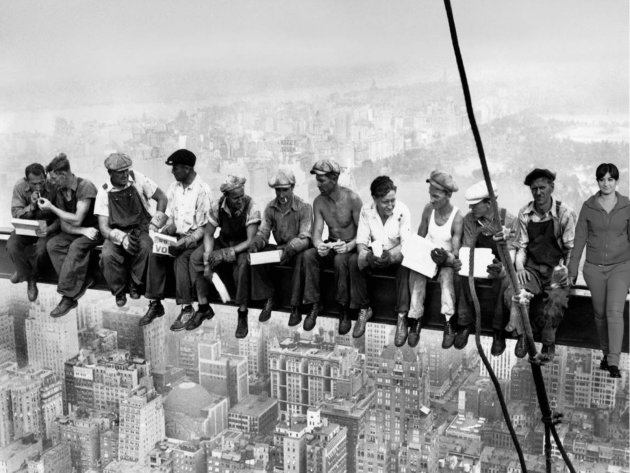
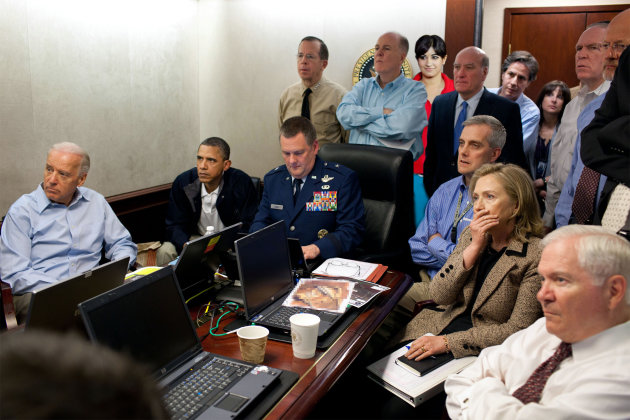
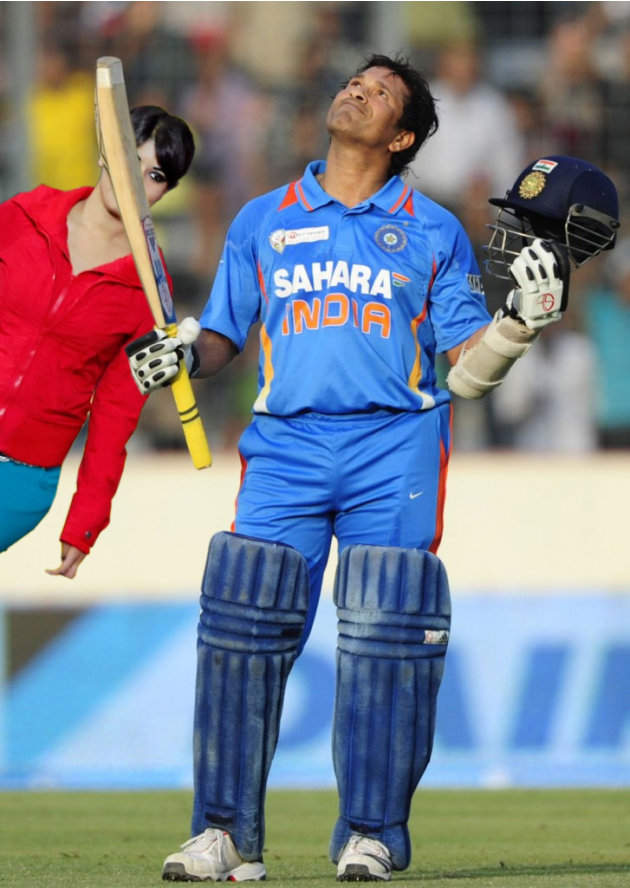
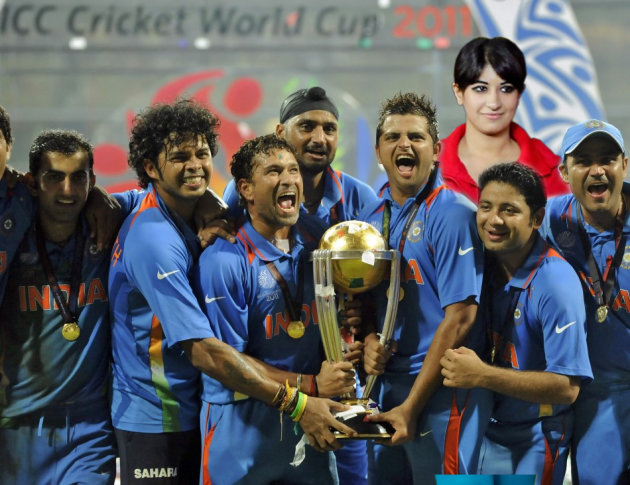
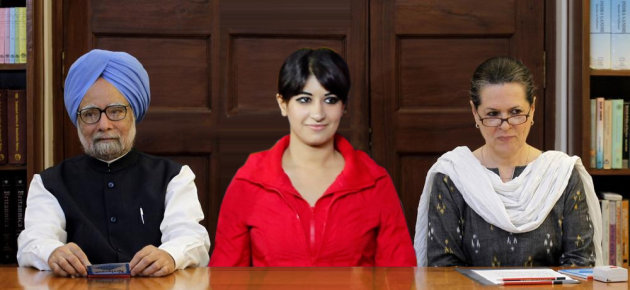
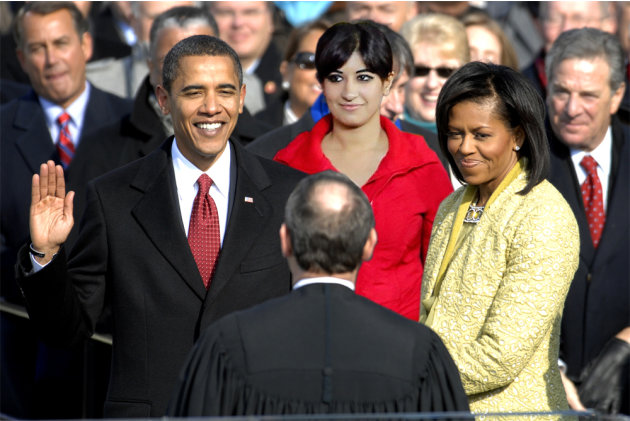
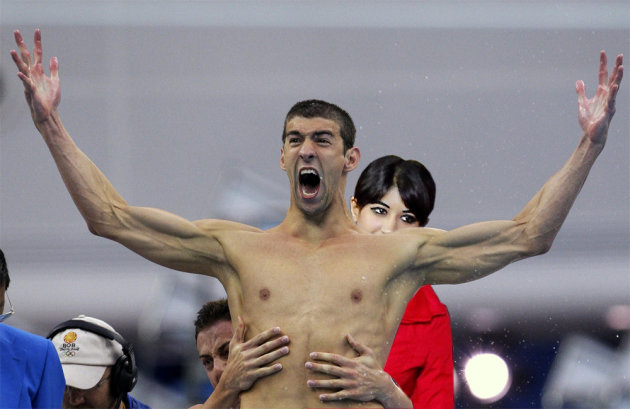
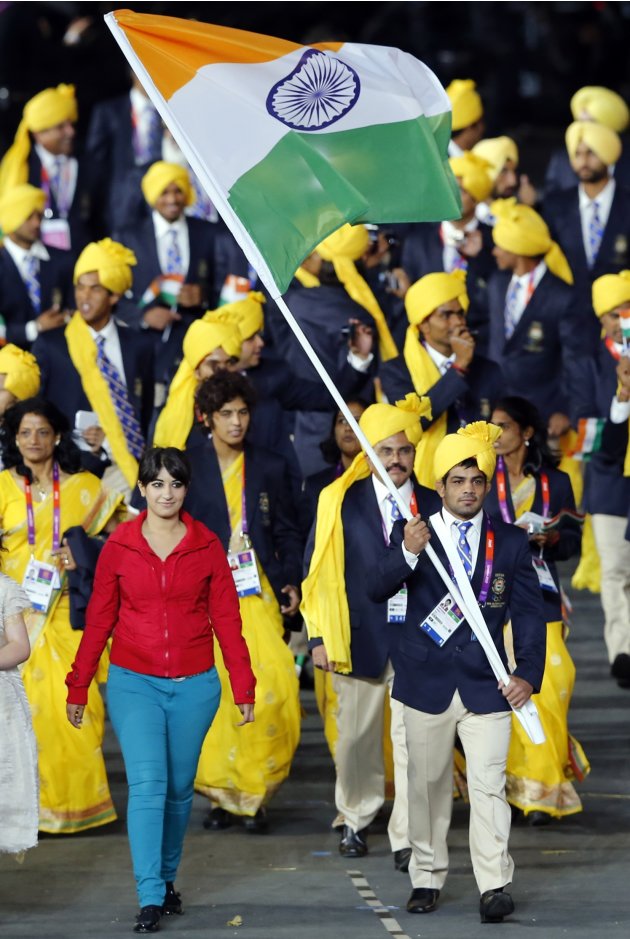
Gatecrasher Madhura Strikes Again


Madhura Honey seen walking alongside India's flag bearer Sushil Kumar at the opening ceremony of the London 2012 Olympic Games July 27, 2012.


She's seen at the Royal Wedding...


and having lunch atop a skyscraper...


 and then stealing Neil Armstrong's thunder...


and watching Osama die...


and celebrating Tendulkar's 100th hundred...


and seen with the Oscar winners...


 and celebrating with the Indian team at the Wankhede Stadium


 and attending Congress Party's general meetings...


and seeing Obama being sworn in...


and also seen by Michael Phelps' side when he created history at the Beijing Olympics.


Monday, 23 July 2012

Schoolgirls skip meals to be thinner

A new study has revealed that schoolgirls as young as 12 are unhappy with their weight and some are skipping meals in an effort to be skinnier.

Half of girls in year eight - who are aged 12 and 13 - said they wanted to be thinner.

And 58 per cent of girls in year ten, aged 14 or 15, said they wanted to lose weight, according to the study by the Schools Health Education Unit.

In the research, 31,354 boys and girls aged ten to 15 were questioned about their eating habits and body image.

A quarter of year ten girls skipped breakfast on the morning they were questioned and 20 per cent had skipped lunch the day before.

Of those who had skipped breakfast, 36 per cent had avoided eating lunch on the previous day.

Meanwhile experts have warned that if many of the girls keen to lose weight started dieting they could be putting their health at risk.

"An analysis of the characteristics of the year ten females shows that most of those wanting to lose weight are within the limits of 'healthy' weight, and some are already underweight," the Daily Mail quoted the researchers as saying.

The survey also found that while around 16 per cent of children thought that their health was down to luck, three-quarters of pupils in years eight and ten said they felt 'in charge' of their health.

Health campaigners said the results were unsurprising considering young people's exposure to airbrushed images of celebrities in magazines.

The same survey found that many teenagers feel they are not getting enough sleep to concentrate at school.

Twenty-eight per cent of girls and 22 per cent of boys in year ten thought they needed more sleep.

Tough road ahead for Indian hockey team: Pargat Singh

 The Indian hockey team is riding on the wings of hope once again. Back in the Olympic line-up after missing out of the Beijing Games in 2008, India are again where they ought to be and the entire country's best wishes are with our players as they look ahead to the stiff test that the Olympic Games will provide.India's performance has shown signs of promise, but a realistic assessment is essential for the boys to look at the challenge ahead. India's hopes of producing a fine show will depend upon how well the defenders cope with rival strikers and penalty corner specialists.

The Indian strikers always fancy themselves in creating chances upfront, but it is the defenders whose performance will be the key to what the team manages to achieve in the end. As always, it will be sustainability of the Indian defence coming into focus from the moment the team enters the hockey arena at London's Olympic Park. Let us not get overawed by slogans or boastful claims that may tend to convey that the Indian team is in the hunt for a gold medal. Where we stand at the moment, every small success is welcome.

There is a tough road ahead for the Indian team as it There is a tough road ahead for the Indian team as it strives to regain some of the lost prestige of Indian hockey. Success never comes easily. Having played in three Olympic Games, I consider myself competent to talk about the challenge ahead. When the Indian team's defence comes under pressure, its sustainability becomes critical to the end result. The situation is going to be no different.

The pressure will be acute and it will be a test of the team's mettle. Looking back at the draw, the pattern indicates that India tends to get a stiff opening match at the Olympics. The situation will be no different this time as one of the strongest European teams, The Netherlands will open the Olympic campaign against India on July 30. The Netherlands may not be the same force they once were, but the Dutch are always a formidable opposition. One must also not forget that India's international ranking is not something we can boast of in the hockey circles.

The Netherlands have, in recent years, not been able to reproduce their best, which was evident in the 1996 and 2000 Olympics and yet their strikers tend to produce dazzling stickwork. The opening outings tend to provide an indication of where teams are headed. During my Olympic days, it was the opening match against Germany that delivered a big blow to us in 1992, while four years later we missed qualifying for the semifinals essentially due to the shock defeat we suffered in the opening outing against Argentina. After that, it was a tough climb and we just fell short of securing entry into the semifinal. A spot in the semifinal has continued to remain elusive for India.

India has not just failed to win a medal since clinching India has not just failed to win a medal since clinching men's hockey gold at the 1980 Olympic Games, but it has not secured passage to the semifinals in seven Olympics thereafter. That, of course, included the 2008 Olympic Games where India was not even in the starting lineup of nations. Everyone connected to sport in India is hoping for a good show from our hockey team. For that to materialise, the Indian team needs to produce its finest display against the Dutch team, which can set us up nicely in the Olympic hockey competition. There are no easy opponents these days.

Look at who we have in our group. Defending Olympic champions Germany and The Netherlands are both multiple time Olympic gold medallists, while New Zealand and South Korea are equally strong. Belgium is the only team India could trouble, but the way they rallied from a two-goal deficit to draw parity in the dying minutes underscored their newly found confidence. A medal of course will be wonderful, but we must be realistic.

London Olympics: Brand wars gather pace on streets of London

LONDON: In the shadow of London's gleaming Olympic venues, a quiet battle is under way over who gets to cash in on the Games.

Olympic organisers have enforced strict rules to protect official trademarks, deploying about 250 uniformed "brand police" on the streets of the capital to ensure businesses do not piggyback off the world's biggest sporting event.

The rules are simple: no one outside a small band of official sponsors such as McDonalds or Adidas is allowed to make a profit by creating an association with the Games.

It is not the rules themselves that have irked some Londoners but their stringent enforcement and phrases such as "absurd" and "police state" - often used jokingly but with a shade of resentment - frequently crop up in conversation.

"It's mad. It just seems... that corporations are being looked after but not the people," said Lewis Parrin, 22, who runs a stall selling jewellery and watches in London's eastern district of Stratford where the main Olympic venues are located.

"It's quite scary, really. It's like a police state." Another vendor nearby, when asked about a display of Olympic mascots on his makeshift stall, choked on his sandwich and removed them hastily. "I am glad you reminded me," he said.

London is buzzing with curious stories of those who have found themselves on the wrong side of the brand police such as a stall owner who was told off for displaying the London 2012 logo and a butcher in a town hosting sailing events who had to remove a sign showing the Olympic rings made from sausages.

On a quiet side-street within walking distance of the Olympic stadium where the Games open officially on Friday, a cafe called Olympic has had to paint over the letter "O" to comply with the rules.

Some have taken a more radical approach with a subversive new campaign mocking the policing and the brands themselves - a theme that has struck a chord with many in London's eastern areas where unemployment and social resentment run high.

On Monday, a pair of activists calling themselves guerrilla artists chose a busy street in east London to put up a giant protest billboard showing rows of police lined up against a dark background, and a slogan reading "INSPIRE A GENERATION".

Some passers-by paused to look, bewildered. An Olympic-style logo in the bottom right corner of the billboard read: "Official Protester of the London 2012 Olympic Games".

"The problem with Olympic advertising is that there is no ethics. It's supposed to be about excellence but it's not reflected in their branding partners," said one of the activists, who asked to be identified only by his nickname Del.

"Local businesses have been there for generations (but) they can't even promote things made locally. How is London supposed to prosper, really? It's sucking out their sense of pride and enjoyment."

Site Search