Showing posts with label Health. Show all posts

Tuesday, 3 December 2013

Aggressive kids born of poor parenting


The picture for representational purpose only.
 
 Kozhikode: Poor parenting and changes in lifestyle brought about by  the new socio-economic realities are also to blame for the increasing aggressiveness displayed by children and their use of abusive language today, believes noted psychiatrist, Dr S. Santhakumar.
 
“Changes in the socio-economic profile of the st­ate during the past three or four decades have to be taken into account while addressing the issue,” he says.
 
While agreeing that the language used by the new generation cinema and  on television has a big  influence on  children who are at an impressionable age and scores of studies have established the negative influence of television on them, he says this alone  cannot be blamed  for the foul language used by many of them today.
 
“We have to look at the larger picture as in most families parents don’t have enough time for their children as they are both working. They may think that by working hard to make  a living they are providing for their children’s future,  but unfortunately it is not so simple. Children have their own fantasies and desires and if parents are unable to devote more time to listening to them,  they  will try to fulfill them through other sources,” he warns.
 
“This is especially important in the age of the Internet and mobile phones. I am not saying parents should spy on their children, but they should have a clear understanding about the kind of networking they have, “ he underlines.
 
Although in most cases  children can be cured of aggressive behavior if the problem is addressed, in  some cases they are beyond help, he says. “ I feel sad for such children and their parents,” he adds. 

Positive parenting won't make up for yelling, insulting


Young adults who had been criticized, insulted or threatened by a parent growing up were more likely to be anxious or depressed, in a new study.
Even when the same or another parent expressed plenty of affection, researchers found the apparent harmful effects of having a verbally aggressive mother or father persisted.
"There's a fair amount of data out there that says that parental verbal aggression toward a kid is very damaging," Byron R. Egeland said.
"In many instances, people find it to be as damaging as actual physical abuse," he told Reuters Health.
Egeland has studied child maltreatment and development at the University of Minnesota in Minneapolis and was not involved in the new research.
Past research has linked verbally aggressive parenting to changes in children's brain development and to personality disorders later in life, researchers led by Ann Polcari write in the journal Child Abuse & Neglect.
Polcari, from Northeastern University in Boston, and her colleagues wanted to see whether also receiving affection from parents would lessen those impacts.
Their study included about 2,500 young people, ages 18 to 25. They each took a series of online surveys as part of being screened for in-person tests and interviews for other research.
Participants reported both on their current mental health and wellbeing and on their experiences with their parents growing up.
They rated each of their parent's verbal aggression on a scale from zero to 105, based on how often mothers or fathers yelled at, scolded, insulted and blamed them as kids. More verbally aggressive parents got higher scores.
Study participants gave their mother's verbal aggression an average score of 22. They scored fathers between 26 and 29.
Verbal affection was measured from zero to 84, with higher scores reflecting a parent who expressed more affection and engaged in more meaningful conversations with the child.
Participants scored their mothers between 65 and 66 on that scale, on average, and their fathers between 54 and 55.
Young adults tended to have more psychiatric symptoms like anxiety and depression when either their mother or their father was verbally aggressive.
What's more, although having a verbally affectionate parent seemed to have a positive impact on young people's wellbeing, it didn't make up for having a second parent who was verbally aggressive, Polcari's team found.
And having one parent who was both affectionate and aggressive wasn't any better for a young person's psychiatric health than if that parent was only aggressive.
"It isn't as if one cancels the other," Timothy Moore, from York University in Toronto, told Reuters Health.
"Whatever the benefits of positive expressions may be, the negative association between verbal aggression and adjustment persisted," Moore said. He has studied the effects of verbal aggression in childhood but wasn't involved in the new study.
"It certainly is important that there be somebody there that the kid can count on, starting at an early age," Egeland said.
"But a large amount of verbal abuse or for that matter having a parent who is emotionally unavailable or physically abuses the kid - those kids will grow up with the idea that they can't count on others. Those are kids that oftentimes don't benefit from the support of a neighbor or coach or relative," he said.
"If the abuse starts at a very early age, it's likely that kid is not going to have trust in much of anybody."
Egeland said the fact that verbal aggression is more common in poor families means children who experience it are also more likely to have single parents and lower quality schools - compounding their risks.
One limitation of the study, the researchers noted, is that participants recalled their parents' verbal aggression from years earlier to the best of their memories. They also reported their own symptoms and weren't checked by a doctor for psychiatric illness.

Tuesday, 31 July 2012

Make 1 SIMPLE Change and Lose Weight

Make 1 SIMPLE Change and Lose Weight


 We all know that losing weight requires some changes in our eating habits. But many of us avoid making those changes for one obvious reason: It seems too darned hard.

Well, here's a simple, novel approach endorsed by top nutritionists: Make just one change. For the next month, focus on a single improvement, whether it's doubling your fruit intake, adding some protein or switching to nonfat milk.

"Small changes can make a big difference," says Melanie Polk, M.S., R.D., director of nutrition education at the American Institute for Cancer Research. For instance, if you drink 3 cups of milk a day for a month, the switch from reduced-fat to nonfat will save you 3,000 calories -- nearly enough to lose 1 pound!

What's more, changing one habit at a time gives you a sense of success: You'll see results and be able to stick to your plan. Soon, the habit will be second nature. Then you'll be inspired to add another change, and another. This works far better than a drastic dietary overhaul, which leads to feelings of failure and deprivation. "People end up regaining all the weight they've lost, often even more," says Jonelle Rowe, M.D., a physician with the Office on Women's Health in the U.S. Department of Health and Human Services.

When you make dietary changes step by step, you lose weight at a sensible pace and develop habits you can keep. "Dieting for weight loss shouldn't be an event," says Seattle nutritionist Susan Kleiner, Ph.D., R.D. "It's not something you gear up for, do for an intense period of time and then you're done. You need to make lifestyle changes that will be yours for the rest of your life."

Here are two simple dietary changes with big payoffs, both for weight control and good health. Start with the one that seems most feasible to you.

Thursday, 19 July 2012

8 Foods That Boost Memory

Do you feel that you have a memory of a goldfish? Do you have to try too hard to remember your meeting and dates? You probably need the right food to make your grey cells healthy. How you ask? Here is what we have for you: we tell you about 10 easily available foods that will help you fight against that memory loss problem you've been battling for sometime.

 
Chocolate

How can anyone go wrong with a diet that includes chocolate? Research has proved that chocolate will help you increase your brainpower. Eatingchocolate everyday helps, you fight against memory loss due to ageing. Chocolate contains polyphenols, which increases your blood flow towards the brain. However, do not eat an entire slab every day. 10 grams of sinful chocolate is enough bribe for your brain to function better.
 

                                                                           Greens

Back in your wonder years, everyone pestered you to eat your greens with a grin. Do you know why? They are packed with vitamins and folate. These nutrients protect you from dementia.
Spinach is one of the best green leafy vegetable that you can count on. Half a cup of cooked spinach will provide you with the required amount of folate and Vitamin E and K. Cook your greens in olive oil and eat it for lunch. It is very important that you do not overcook your delicate greens as they lose their nutrients easily if over cooked, and in an open pan.

                                                                             Blackberries

No, we are not talking about your smart phone here. When it comes to remembering appointments, it sure will help you mark the date, but what if the battery dies? That is why you should eat
Blackberries and stop being dependent on your smart phone for tiny things. Every cell of your body is an individual in itself and they talk to each other. This how information is processed and sent to your brain. The older you get, this communication takes longer to establish and this is why kids learn much faster and more easily. Blackberries contain antioxidants that enhance this communication between the neurons and help you grasp information easily. Munch on blackberries for your afternoon snack to keep the data flowing.

Olive oil

Olive oil works wonders on your skin and health; it does the same with your brain. Virgin olive oil contains oleocanthal. This compound can fight
against ADDLs that cause Alzheimer's and are toxic for the brain cells. ADDL attacks the brain cells and disrupt the communication between them causing memory loss. So stay protected from ADDL and replace your cooking oil right away.

Salmon

Fish can make you smart, and this fish will make you smart and sharp! Salmon contains DHA, an omega-3 fat, Vitamin D and other nutrients that keep your brain safe from mental disorders.
Vitamin D in salmon is one of the main ingredients that you can bank on for improving your mental health. We suggest you marinate the salmon with extra virgin olive oil and herbs and eat it for dinner once a week.

Beet

Not many of you would want to eat beet to increase your memory. However, let us tell you that this bright red vegetable will work wonders for you. It also contains nitrates that open up your
blood vessels and allow more oxygen and blood to flow towards the brain. Eat this naturally sweet beet in the form of juice in the morning or add it to the salad to improve your brain performance. If you hate the taste, add lime and pepper to your juice and salad, which will instantly improve the taste.

Whole grains

When buying bread, remember to ask for whole grain option. Whole grain contains antioxidants and is a great source of fibre. It also contains vitamins
B and E that help you maintain the blood sugar level in the body. This eventually protects you from memory loss.


Coffee

All you java lovers turn around and tell the world that you'll never quit your coffee because it is making you sharp. Recent studies have proved that the
caffeine in coffee helps you increase your productivity. It also helps you fight Alzheimer’s disease. Nevertheless, we suggest you stick to two cups of coffee a day coupled with other foods that boosts your memory


Must-eat foods for a healthy diet

Many people believe that the crux of a healthy diet is the exclusion of unhealthy foods. However, rather than just focusing on cutting things out, a good diet should also incorporate an increased intake of nutritious, health-boosting foods. Fortunately, there are many foods out there which will improve health and wellbeing as well as protect against future illness. Here are 10 of the best foods for healthy eaters to stock up on.

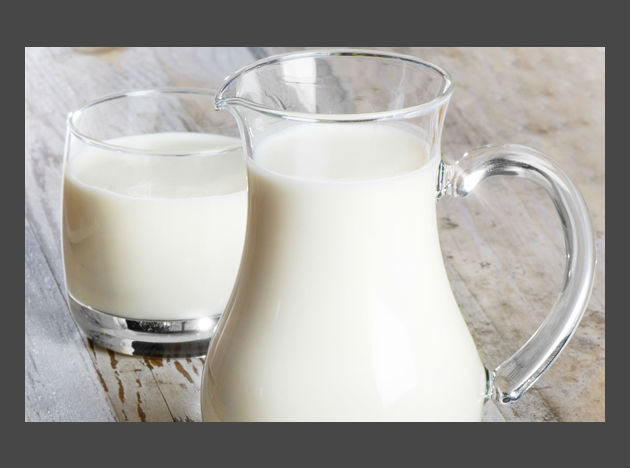
Milk: Remember how your mother would force you to have 2 glasses of milk every day when you were a child? She would do it for a number of good reasons. Milk is extremely rich in calcium and also aids in burning fat. With increased cases of osteoporosis and arthritis among elderly males, a regular intake of fat-free milk will do wonders to their health. A glass of milk at breakfast, and one before going to bed will fulfil the daily dietary needs....


Eggs: Eggs are best sources of dietary protein. They are rich in choline and antioxidants which reduce the risks of breast cancer and eye diseases. Though most of us tend to abstain from eating eggs because of their cholesterol inducing properties, we fail to realise that consuming them in moderation will actually result in a healthy heart. Having an egg daily will boost the immune system and help the skin and hair glow with health. Heart ...


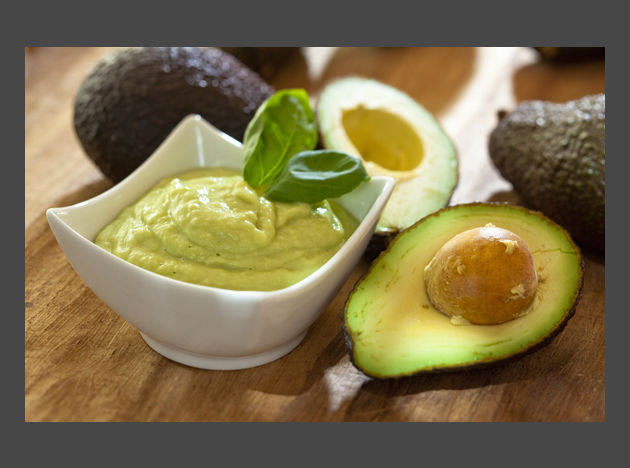
Avocado: Though dangerously termed as butter fruit, the nutritional goodness packed in avocados do not match its cholesterol producing namesake in anyway. Rich in Vitamin-E, Folate and potassium, avocados reduce the risk of heart disease and blindness. A dollop or two in salads will not only call for good taste, but will also aid in better absorption of beta carotenes.


Olive Oil: Olive oil is nothing short of a blessing when it comes to maintaining a healthy heart. With its proven abundance in monounsaturated fats and antioxidants, it helps reduce chances of cancer and Alzheimer’s. The Extra Virgin varieties available in the market are excellent sources of antioxidants packed with full flavour. Cooking with olive oil will not only make your food more palatable but will also help in the absorption of ...


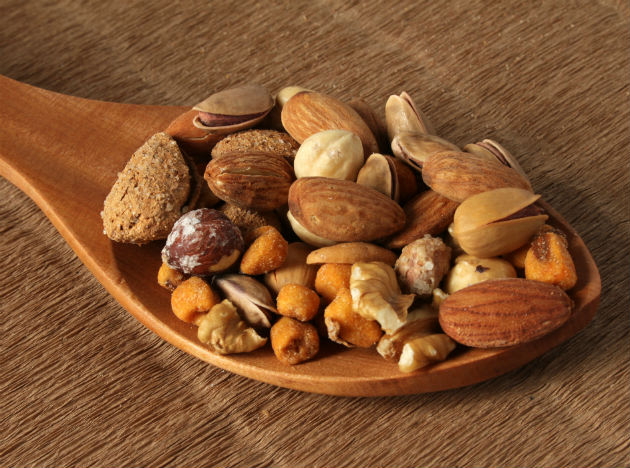
Nuts: Although nuts are high in calories and so should be eaten in moderation, the calories in nuts come mainly from their high levels of monounsaturated fats, which are extremely good for health. Eating foods rich in these fats can help reduce bad cholesterol and lower your risk of heart disease and stroke. As well as their heart benefits, nuts are also a great source of protein and are packed with fibre, antioxidants, fatty acids and vitamins ...


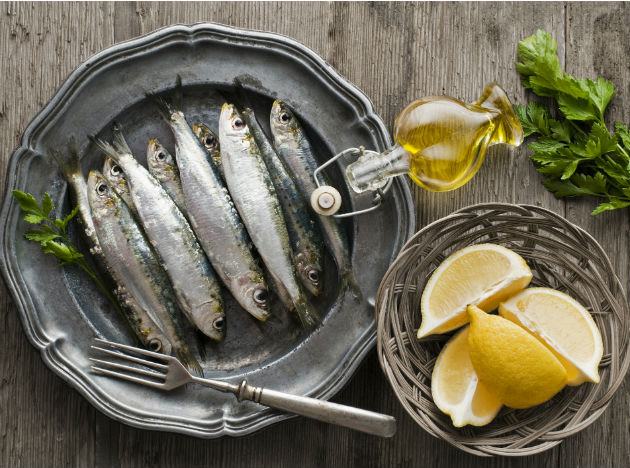
Oily fish: Oily fish - such as salmon, mackerel, sardines and trout - are renowned for their health benefits when eaten in moderation (between two and four portions a week). Not only are they a great source of vitamins and minerals - including immune-boosting vitamins A and D - but they are rich in omega-3 fatty acids. These super healthy unsaturated fatty acids have many health benefits, having been linked to a lowered risk of heart disease, ...


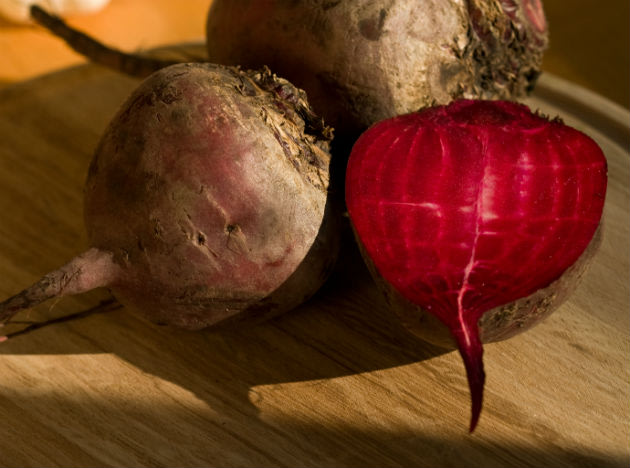
Beetroot: Beetroot is one of the latest vegetables to be hailed as a 'superfood', and looking at its reported health benefits it is easy to see why. Various studies have suggested that drinking beetroot juice can improve stamina when exercising, lower cholesterol and blood pressure, improve heart health and liver function, reduce risk of dementia, and fight against cancer. The versatile vegetable is also a good source of many vitamins and ...


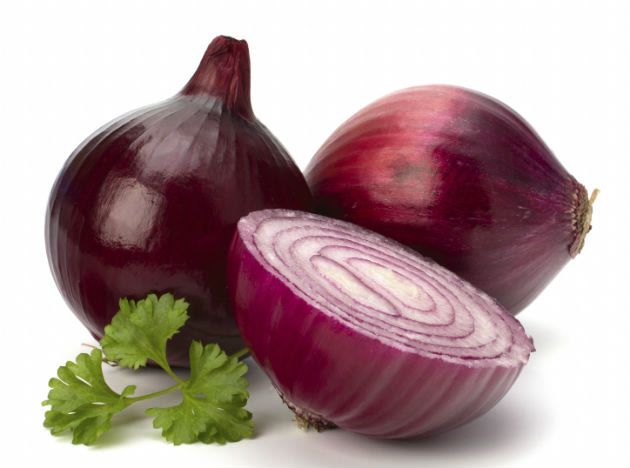
Onions: The onion family (part of the genus Allium) contains many foods that may do wonders for our health including onion, garlic, leeks and chives. Studies have suggested that both onions and garlic can help lower cholesterol, while findings published in the Journal of Nutrition showed that onions could help lower blood pressure. Onions and garlic also have antiviral and antibacterial properties, so can help to fight against bacteria and ...

How Drinking Can be Good For You

Alcohol has often been addressed as the ‘Wet Devil’ and deemed dangerous for health.

But little do people know that alcohol consumption can have some surprising health benefits as well. The following article will illustrate the benefits of drinking.
Wine

1. Recent research has proved that drinking red wine helps in sleeping properly. Red wine essentially helps in producing melatonin. It is an antioxidant that not only helps regulate the sleep cycle, but also prevents cancer and aging.

2. Resveratrol, an essential component in red wine, helps in building immunity against diseases and helps one live longer. Not only that, it also helps prevent dementia and Alzheimer’s disease. It is also known to reduce inflammation, lower LDL cholesterol and improve overall physical health.

3. A glass of red wine has enough resveratol and antioxidants to reduce the risk of heart ailments.


4. Red wine is known to reduce chances of lung cancer by 13%; prostate cancer by 50% and breast cancer in women by 12%.

5. The chances of catching a cold are reduced by 44% with the moderate daily consumption of red wine.
Beer


1. Beer aids in proper bone health with its high silicon contents. Studies have shown that daily consumption of beer helps develop good bone density.

2. Beer accounts for a 31% reduction in cardiovascular risks. Daily consumption helps reduce LDL cholesterol levels and keep the arteries clean.

3. A man drinking beer has 40% less chances of developing kidney stones than non-beer drinkers. It is presumed that the high water content in beer keeps the risk of kidney dehydration away and prevents stone formation.

4. The risk of developing diabetes with a moderate but regular consumption of beer is reduced by 25% mostly because beer increases insulin sensitivity and regulates blood sugar levels.
Vodka

 1. It acts as a sleep inducer and helps in relaxing the mind and reducing stress levels.

2. It is the most effective household disinfectant and was often administered to clean wounds. Its antiseptic properties remove toxins from the skin and help kill germs.

3.The alcohol content in vodka is effective enough to take latent heat off the body when externally administered during fevers.

4. It aids in proper heart health, reducing harmful cholesterol levels, and reducing hypertension and keeping cardiovascular troubles at bay.

5. Regular but moderate consumption calms the brain and reduces the risk of dementia, neural troubles and Alzheimer’s.

6. It is an excellent anti-inflammatory agent and has proven results in curing osteoporosis and arthritis.

Alcohol consumption does have its health benefits, but these only reflect when the consumption is moderate. Over-consumption and drinking with no holds barred is capable of causing more harm than good. So alcohol connoisseurs are advised to exercise caution.

Thursday, 5 July 2012

Home remedies for your hair Care : Tips

Fear not, because some of Britain's top hair experts have revealed their unusual but clever home remedies for lack-lustre locks.

Whether it's a flat barnet, dull colour or even pesky greys, try these nifty fixes with ingredients that can be found in your kitchen, make-up bag or even home office!

For a voluminous mane, hairstylist Luke Hersheson says the answer can be found in your fridge.

"Mist roots with a dark ale, beer or even champagne. The yeast adds volume while the alcohol sets it in place," he told the July issue of Elle UK.

If you fancy a new hue or want to try this season's trend for pastel shades, why not try a natural wash-out version before you make the change permanent?

"Add a couple of drops of food colouring to your conditioner and apply wherever you want it - it can be an all over tint or just on the ends. The less you use, the more pastel the colour. Lemon juice removes it," revealed hair stylist Duffy.

To cover up greys, Wella Professionals' creative director for colour, Josh Wood, recommended an unusal yet effective solution.

"Blend grey hairs into dark hair by using a fat-nibbed felt tip in a matching shade," he said.

And if you ever run out of hairwash, you can knock up a DIY dry shampoo with the contents of your bathroom cabinet.

"Crush up an eyeshadow that matches your hair, mix it with talcum powder and dust through [your hair] to banish grease and add oomph," Shu Uemura Art of Hair UK ambassador Stephen Low advised.

Tuesday, 3 July 2012

The 3 day tummy trimming Diet Plan


Us women have always battled the old waistline, but new findings show we're all creeping over the healthy mark and need to get those tummies in check for the good of our health.

The average waist size for women in the UK is 4.9cm larger than recommended as healthy, the new research has found.

The survey of 54,000 women carried out by Britain’s largest healthcare charity Nuffield Health shows that the vast majority of women assessed had a waist size in the ‘high health risk’ category.

Not only does this not look great in your bikini, but carrying weight around your middle significantly increases the risk of breast cancer, infertility, not to mention heart and liver disease and type 2 diabetes. Cripes!

So, what’s the key to a trimmer tummy?

Nutritional Therapist, Alison Stork from Nuffield Health recommends a diet that delivers a full range of important vitamins and minerals, which will help keep you full and regulate fat storage.

Try Alison’s three day tummy trimming plan to kick start that waist weight loss:

Day 1

Breakfast
Porridge with a tablespoon of crushed, mixed seeds (pumpkin, linseed, sunflower)


Lunch
Vegetable and Lentil Soup

Dinner

Grilled Salmon with salad and new potatoes

Snacks
Plain yoghurt with fresh fruit

Day 2

Breakfast

Boiled Egg with a slice of wholemeal toast

Lunch

Jacket sweet potato with hummus and mixed salad

Dinner

Stir fry chicken & vegetables with brown rice

Snacks

Fresh Fruit and a small handful of unroasted, unsalted nuts


Day 3

Breakfast

Fresh fruit with plain yoghurt and a dessertspoon of mixed nuts & Seeds

Lunch

Sardines on toasted rye or wholegrain bread with grilled tomato and a sprinkle of herbs & green salad

Dinner

Lentil Dahl with mixed steamed vegetables

Snacks

Oatcake with cottage cheese
We're on it! Slimmer tummies here we come…

Sunday, 1 July 2012

Every Day 20000 People Die Becoz of Poverty, Can we Stop This


Saturday, 30 June 2012

Say No To Softdrinks

Here’s something that could take a bit of fizz off your Coca-Cola and Pepsi bottles.

An international study has found the two soft drinks to contain small traces of alcohol, sparking concerns among teetotallers who abstain because of religious reasons and those who believe the worst
 that colas can do is cause a sugar and caffeine overload.

The Paris-based National Institute of Consumption’s study found the alcohol content in colas — measured as alcohol by volume — to be 0.001% (around 10 mg per litre), making them much safer than fruit juices (0.1-0.5%), beer (3-10%), wine (8-14%) and vodka and whisky (40%).

Most juices naturally contain 0.07-0.5% levels of alcohol through fermentation of sugar. The natural alcohol content goes up after a fruit is picked, depending on how it is stored.

“There are no health concerns about alcohol in colas, even for children, but one needs to worry about the sugar and caffeine that mess with weight and sleep,” said nutritionist Ishi Khosla, director, WholeFoods.
The study found small alcohol traces in 10 out of 19 popular cola brands in France, including Coca-Cola, Pepsi Cola, Coca-Cola Classic Light and Coke Zero.

“Some of these soft drinks contain minute traces of alcohol because of the ingredients used”, but the “Pepsi Cola recipe doesn’t contain alcohol”, UK’s Daily Mail quoted a Pepsi spokesperson as saying.

Coca-Cola France said the Paris Mosque had issued a certificate that its products could be consumed by the Muslim community.

Site Search